
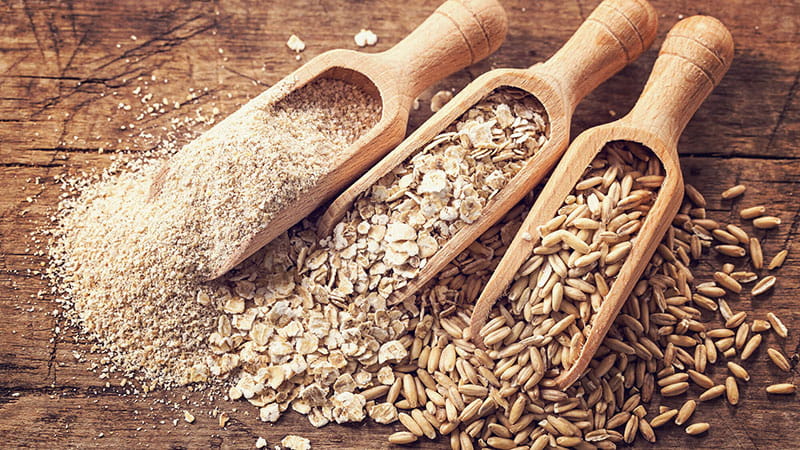
Whole grains are important sources of fiber and nutrients. The American Heart Association recommends eating three or more servings of fiber-rich whole grains each day.
While you may be familiar with brown rice and 100% whole grain bread, there are many whole grain options. And most save money, especially when you buy them in bulk. How to expand your whole grain horizons:
Whole grains: Barley
- Description: Barley has a high fiber content. It has a chewy texture and nutty flavor like brown rice. Barley is also found in packaged granolas, hot cereals and soup mixes. Hulled barley has the most fiber because its bran layer is not removed and it takes the longest to cook.
- Common sources: Hulled or hulled barley or whole grain barley
- Cooking tips: Bring 3 cups of water to a boil. Add 1 cup hulled barley. Reduce heat to medium low. Cover and cook for 40 to 45 minutes. Boiled barley adds bulk and flavor to soups, stews, cooked vegetables. Almost any recipe that calls for rice can be substituted with barley. Toss cooked barley with your favorite cooked beans, chopped onions and fresh herbs for a twist on plain rice and beans.
Whole grains: Bulgur
- Description: Bulgur is made from wheat kernels that have been dried and cooked. It is usually sold as fine or coarse. Sometimes bulgur is confused with cracked wheat, which is not previously cooked, so it needs to be cooked longer than bulgur.
- Common sources: Bulgur wheat
- Cooking tips: Soak 1 cup of bulgur in 1½ cups of very hot water and it’s ready in 15 minutes! Bulgur can be added to soups, meatballs, meatballs or replace rice in cold and hot dishes. To make tabbouleh, a popular Middle Eastern grain salad, mix cooked bulgur with chopped parsley, mint, tomatoes, lemon juice and a drizzle of olive oil.
Whole grains: Corn
- Description: Corn is a whole grain that is available in many forms and is also inexpensive. When buying corn products (flour, flour, grits) other than kernels, look for the words “whole corn” in the ingredients list.
- Common sources: Whole kernels (fresh, frozen, or canned), popcorn, whole cornmeal, whole grits, corn tortillas (made with whole corn or whole cornmeal)
- Cooking tips: To prepare cornmeal (polenta), mix 1 cup whole cornmeal with 1 cup cold water. Bring 3 cups of water to a boil. Slowly whisk in the cornmeal mixture. Reduce heat to medium. Cover and cook for 10 to 15 minutes, stirring often. Use whole cornmeal to make muffins, cornbread or pancakes. Add corn kernels to salads, soups and stews.
Whole grain: Millet
- Description: When cooked, little yellow balls fluff up like rice. Millet has a delicious, nutty taste.
- Common sources: Hulled millet or whole millet
- Cooking tips: Bring 2½ cups of water to a boil. Add 1 cup millet. Reduce heat to medium. Cover and cook for 20 to 25 minutes. After boiling, millet is whipped like mashed potatoes. For extra flavor, toast millet in a pan for 10 minutes before cooking. Add ½ cup to the batter for banana bread or corn muffins for an extra crunch.
Whole grains: Oats
- Description: Oats are one of the most popular whole grains in America. They are cheap and easy to make. Choose steel-cut or old-fashioned oats. The regular bulk versions have no sodium, no sugar and no preservatives. Skip the flavorful oatmeal products.
- Common sources: Steel cut oats, old fashioned/rolled oats, quick or instant oats, whole oat flour
- Cooking tips: Bring 2 dl of water and 1 dl of old-fashioned oats to the boil. Reduce heat to medium. Cook for 8 to 10 minutes, or until creamy, stirring often. Cook your oatmeal in fat-free or low-fat milk for a creamier taste and extra nutrients. Mix in unsweetened dried fruit and unsalted nuts for a filling breakfast.
Whole grains: Quinoa
- Description: Quinoa has a slightly crunchy texture. It is a protein-rich whole grain.
- Common sources: Whole grain quinoa, whole quinoa flakes, whole grain quinoa flour
- Cooking tips: Rinse quinoa before cooking to prevent it from tasting bitter. Bring 2 cups of water to a boil. Add 1 cup quinoa. Reduce heat to medium. Cover and cook for 20 minutes. Use in salads, casseroles, hot breakfast cereals and bean dishes for a boost of nutrition and a nutty crunch.
Whole grains: Sorghum
- Description: Sorghum is a grain that originated in Africa and is now an important staple in the United States. It is gluten-free, making it a great option for those with celiac disease or gluten intolerance.
- Common sources: Breakfast cereals, gluten-free bread and pasta, granola, syrups
- Cooking tips: Be sure to rinse and drain whole grain sorghum before use. Bring 3 cups of water to a boil. Add 1 cup sorghum. Reduce heat to low. Cook for 40 to 55 minutes or until tender. Drain well. Use as a side dish, in pasta or hot cereal; make overnight oats; or add some crunch to salads. Pop it to make popcorn.