

- Practice good menstrual hygiene to prevent infections, reduce odors, and stay comfortable during your period.
- Change menstrual products regularly and use them according to their instructions.
- Keep your genital area clean and avoid scented hygiene products.
Overview
Menstruation (also called a “period”) is a normal biological process experienced by millions around the world every month. A period occurs when blood and tissue from the uterine lining is secreted and leaves the body through the vagina.
Menstrual hygiene is important for your health – it can help prevent infections, reduce odors and keep you comfortable during your period.
Healthy habits during your period
Use of menstrual products
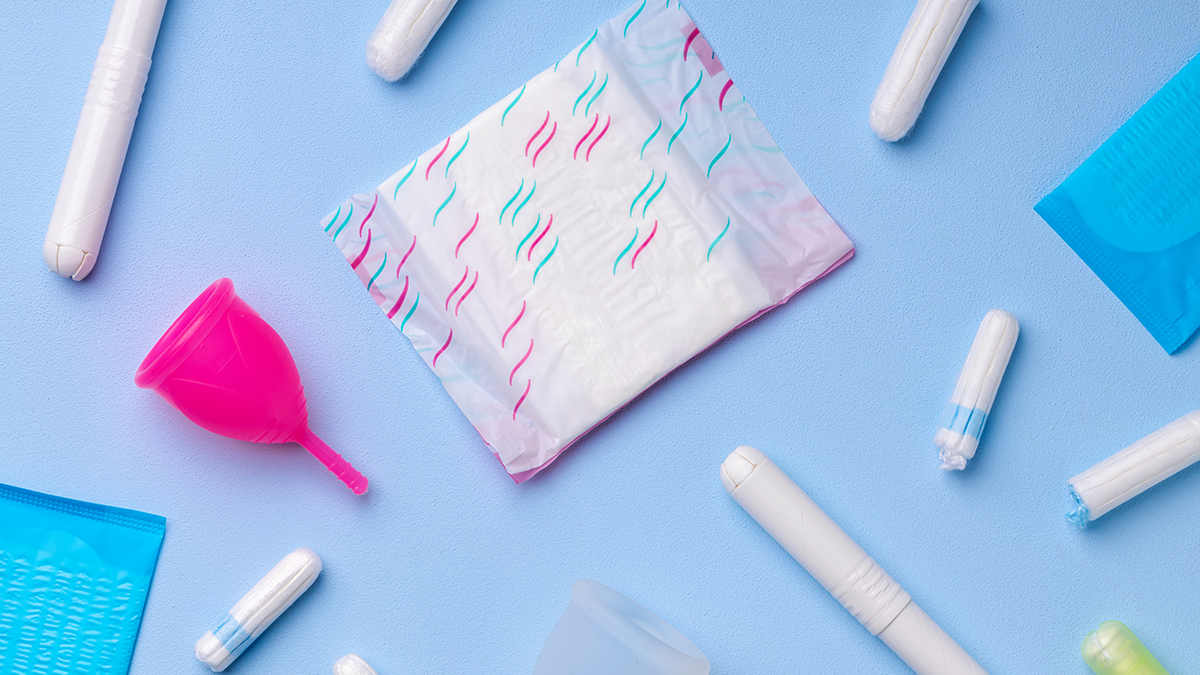
You can choose many types of menstrual products to absorb or collect blood during your period, including sanitary napkins, tampons, menstrual cups, menstrual pads, and menstrual underwear.
Follow these tips when using menstrual products, in addition to the instructions that come with each product:
- Wash hands before and after using the toilet and before and after using a menstrual product.
- Dispose of used disposable menstrual products properly: wrap them in toilet paper, a napkin or other material and then throw them in a bin. Do not flush menstrual products down the toilet.
- Sanitary napkins: Change sanitary napkins every few hoursno matter how easy the flow. Change them more often if your period is heavy.
- Tampons: Shift tampons every 4 to 8 hours. Do not use a single tampon for more than 8 hours at a time.
- Use the tampon with the lowest absorbency required. If you can use one tampon for up to 8 hours without changing, the absorbency may be too high.
- Menstrual cups: Clean cups every day after use. Clean the menstrual cups after your period is over by rinsing them thoroughly and then placing them in boiling water for one to two minutes.
- Period underwear: The most reusable period underwear is machine washable. Follow the product instructions on the best way to clean.
Other hygiene practices
These hygiene practices can help you stay healthy and comfortable during your period:
- Wear light, breathable clothing (such as cotton underwear). Tight fabrics can trap moisture and heat, allowing bacteria to grow.
- Change your menstrual products regularly. Trapped moisture provides a breeding ground for bacteria and fungi. Wearing a pad or period underwear for too long can lead to a rash or infection.
- Keep your genital area clean. Wash the outside of your vagina (vulva) and bottom every day. When you go to the toilet, wipe from the front of your body to the back, not the other way around. Use only water to rinse your vulva. The vagina is a self-cleansing organ. Change the natural pH balance in your vagina by washing or using chemicals to clean out the vagina can be harmful and can cause a vaginal infection, such as a yeast infection or bacterial vaginosis.
- Use unscented toilet paper, tampons or pads. Scented hygiene products can irritate the skin and affect your natural pH balance.
- Drink enough fluids. This can help wash out your urinary tract and help prevent infections, such as yeast infections.
- Track and monitor your period. Your menstrual cycle is a valuable marker of your overall health. Irregular periods can be a sign of conditions such as diabetes, thyroid problems and celiac disease. You can track your period on a calendar or with an app on your phone designed for this purpose.
- Visit a health care provider for your annual checkup. An annual wellness exam is a complete checkup that includes a grease cardboarda pelvic exam and a breast exam. These tests are essential for good reproductive health as they can catch early signs of cancer or other health problems.
When to seek care
Talk to a doctor if you experience a change in vaginal odor, have extreme or unusual pain, or have more severe menstrual symptoms than usual (such as a heavier flow or longer periods).
Menstrual Hygiene Day
Every year on May 28 Menstrual Hygiene Day is observed to highlight good menstrual hygiene during your period and to raise awareness of the importance of access to menstrual products, menstrual education and sanitation facilities.
What you can do
Everyone can participate in Menstrual Hygiene Day by:
- Spreading awareness in your community about the importance of good menstrual hygiene habits.
- Visiting WASH United’s Menstrual Hygiene Day site for more information and resources.
- Join a worldwide conversation on social media using #MHDay2024.
- Learn more about others hygiene practices to keep you healthy.