
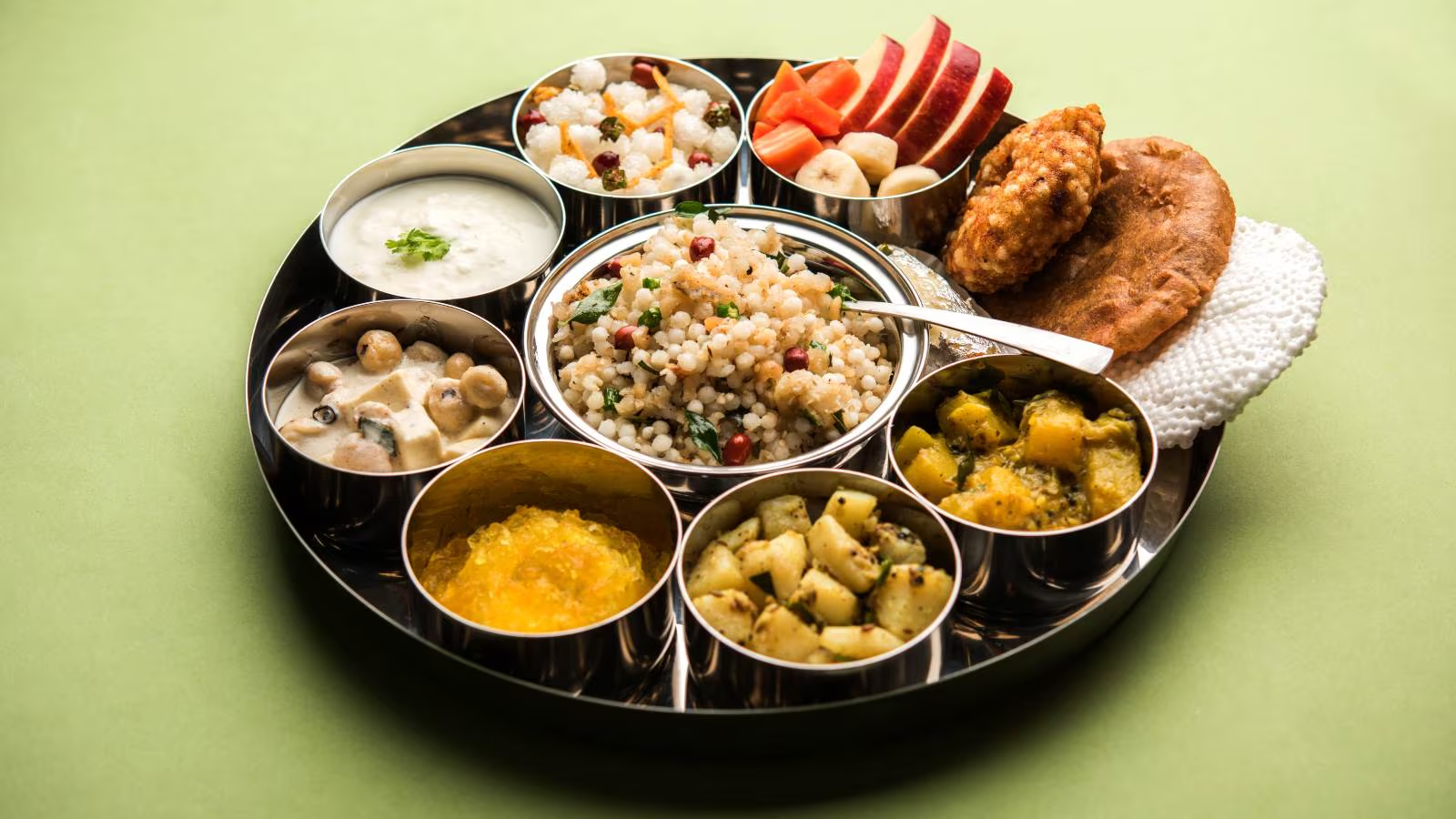
How fasting during Navratri can improve gut health, reduce inflammation and improve mood, according to modern science.
Navratri is a time for spiritual celebration and religious devotion. In India it is also a time of lively festivities, with people fasting for nine days. Fasting during Navratri offers several benefits for physical and mental health. It can help reset the body and improve gut health by giving the digestive system a break. It also reduces inflammation through a process called cellular detoxification, can improve mood by reducing mental clutter and stabilize energy levels. By avoiding heavy grains, processed foods and meats, the body turns to sattvic (pure) foods, which support natural detoxification.
What is the scientific reason behind Navratri fasting?
What if fasting during Navratri is not only a spiritual practice, but also a way to reset your gut, brain and inflammation? Have you ever wondered why people feel and look healthier after Navratri? The science behind this tradition offers some answers!
-
Gut reset
Modern diets overload the intestines with processed foods, sugars and constant grazing. Fasting introduces a metabolic ‘quiet period’ during which the digestive system has time to recover. Research published in the Current research in biotechnology magazine shows that short-term fasting improves the diversity of the gut microbiome and improves the balance between beneficial and harmful bacteria. When you switch to simple foods such as fruits, nuts and light meals, you reduce the amount of endotoxins and support the integrity of the intestinal wall. Think of it as cleaning up your internal ecosystem.
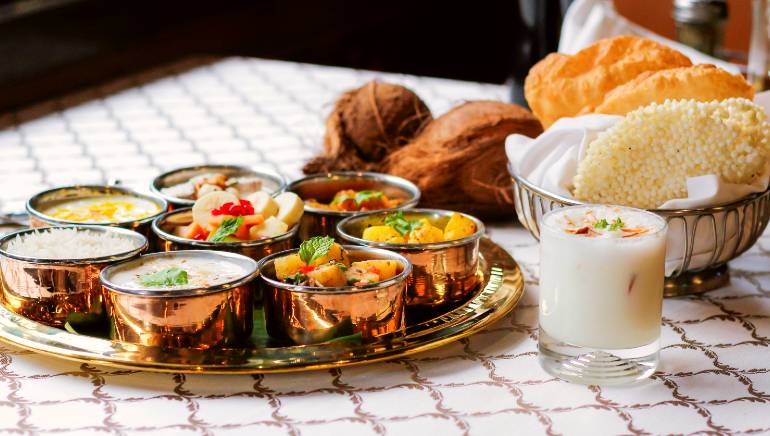
This Navratri, quickly accounted for. Image courtesy: Adobe Stock
2. Reduce inflammation
Fasting activates powerful anti-inflammatory pathways. It reduces the level of inflammatory cytokines and promotes autophagy, the body’s cellular cleaning process. This means that damaged proteins and dysfunctional cells are recycled efficiently. “Reduced inflammation is not just about disease prevention; it directly improves energy levels, skin health and metabolic efficiency,” Dr. Arpit Bansallaparoscopic and cancer surgeon, intestinal and longevity specialist, says Health Shots. Navratri fasting, when done mindfully, mimics many of the benefits of intermittent fasting protocols used in the science of longevity.
3. Better mood
Your intestines and brain are constantly talking. During fasting, insulin levels drop and the body becomes metabolically flexible, often leading to increased ketone production, a cleaner fuel for the brain. At the same time, fasting affects neurotransmitters such as serotonin and dopamine, improving mental clarity and emotional stability. People report feeling lighter, calmer and more focused during Navratri, and this isn’t just psychological. It’s neurobiology.
What happens if I fast for 9 days?
Navratri fasting aligns circadian rhythm, metabolic flexibility and intestinal repair. Combined with hydration, conscious eating and less stress, it becomes a powerful annual reset. This is not just fasting. It’s age-old wisdom meets modern science, a structured break that allows your body to recover, recalibrate and get back into the swing of things.