
By: Kevin Osterhoudt, MD, MSCE, FAAP, FAACT, FACMT
Marijuana (cannabis) is now legal for medicinal or recreational use in most
American states. This means that the availability of tempting treats containing tetrahydrocannabinol (THC), the psychoactive ingredient in marijuana, is increasing. Unfortunately, so is the accidental THC poisoning risk these products pose to children who get hold of them.
Marijuana can be
dangerous in all kinds of children and young people, both in the short and long term. Therefore, it is important for parents to understand how much THC is contained in edible products and how THC is absorbed into the body. Parents also need to know how to keep children safe.
What is marijuana edible?
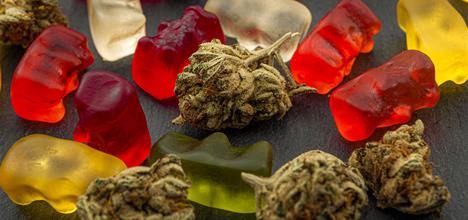
Edible marijuana products often look like regular candies and snacks. Some popular THC-infused products include:
-
Gummy candies, chocolate bars, lollipops, fudge and other candies
-
Baked goods, snacks and desserts, such as cookies, brownies, cupcakes, popcorn and ice cream
-
Sweet drinks such as soda and lemonade (sometimes called “weed drinks”)
Effects of edible marijuana on children and adolescents
Despite their usual appearance, just one pot cake or candy bar can contain several times the recommended adult dose of THC. Anyone who eats a whole THC edible — especially a child — can experience overdose effects such as:
For teenagers, regular use of marijuana can impair memory and concentration and can interfere with learning. It is also associated with lower odds of completing high school or getting a college degree.
Regular marijuana use is also associated with mental health problems, poorer lung health, and a greater chance of substance abuse in adulthood. Even using marijuana once can alter motor control, coordination, and judgment. This can contribute to accidental death and injury.
Delayed effects of edible marijuana associated with overdose
Edible THC products take longer to have an effect than smoked marijuana. Smoking only takes seconds to minutes. But a THC edible typically takes 30 to 60 minutes after being eaten and digested. The maximum effect occurs 3 to 4 hours after ingestion.
Someone experimenting with THC edibles may not feel the effects as quickly as expected. They may consume large amounts to try to “get high”. This leads to overdose.
For example, two years after Colorado legalized recreational marijuana in 2014, a 19-year-old college student died after eating a cookie he bought at a recreational pot store. His friends told police he ate the entire cake, which contained six servings of marijuana (10 mg THC/serving). He started behaving strangely and jumped to his death from the hotel balcony.
Poisonings from edible cannabis products are on the rise
There has been one
reported increase in the number of children who inadvertently consume marijuana products. This is especially true in the growing number of states where marijuana has been legalized. In fact, the proportion of accidental poisoning from edible cannabis products in children younger than 6 increased by 1,375% between 2017 and 2021. Two-year-olds accounted for the largest proportion of exposed children (28%), followed by 3-year-olds (25%).
Are packaging regulations enough?
THC foods are often made to resemble popular candies and snacks. The packaging can be almost identical with the name slightly changed (think “KeefKat” or “Pot Tart”).
Some states, including Colorado, Washington, Oregon and Alaska, have passed laws to try to prevent THC poisoning. Products containing marijuana may be required to have clear labeling with standardized serving sizes and THC content. Some states require child-resistant packaging. But is all this enough?
Marijuana was legalized in Colorado for medical use in 2000 and for recreational use in 2012. A
study published in
JAMA Pediatrics looked at accidental exposures to marijuana in Colorado. The study found that packaging regulations like these are not enough to keep children safe. Cases of accidental THC poisoning in children under the age of 9 continued to rise after Colorado legalized the use of marijuana, even with packaging regulations. Edible THC products were involved in more than half of the cases.
How to keep edible marijuana out of the hands of children
The best way to keep your kids safe from edible marijuana is to not have them in your home. Some other considerations:
-
Store them safely. If there are edible marijuana items in your home, store them the same way you would
store medicine and other
potentially toxic products. Make sure the products are in inaccessible or locked places. They must also be in child-resistant packaging or containers. Clearly label marijuana edibles and store them in their original packaging. -
Use with caution. Never consume marijuana edibles in front of children, either for medicinal or recreational purposes. Seeing the products could create temptation for children. Using them may also impair your ability to create a safe environment. You should not drive if you have consumed edible marijuana products, especially with children in the vehicle. THC use can slow your reaction times. -
Avoid buying THC edibles that come in packages that look like real candy. And be sure to put them back out of reach immediately after use. -
Talk to family members, friends and relatives. In it
Colorado study mentioned above, the sources of the unintentional exposure to marijuana were most often a parent. But grandparents, other family members, neighbors, friends and babysitters were also sources. Ask anyone whose home your children spend time in if they use edible marijuana. If a relative, friend or carer does, make sure you store them safely. Be sure they don’t use them in front of your children or while they are watching.
What to do if your child eats an edible
If your child accidentally eats edible marijuana, try to find out what and how much they ate. Look at the edible wrapper to see how much THC it contains. Call the toll-free poison control hotline—1-800-222-1222—as soon as possible for quick help. You can also get online help at www.poisoning.org.
If your child’s symptoms seem severe, call 911 or go to an emergency room right away.
How to talk to children and teenagers about edible marijuana
Federal Statistics shows that as more states legalize marijuana, fewer young people see it as harmful. But this view is inconsistent with documented risks, especially from edible pots.
-
Teach your children to ask permission first before eating food they find. This allows an adult to make sure the food is safe to eat.
- Talk to your children about the potential
harm from marijuana to their developing minds and bodies. Highlight the particular risks of edible marijuana products. The car can be a good place to have discussions or give your teenagers reminders before dropping them off at parties, dances, for example sleepovers. Treat these talks the same way you would discuss other recreational drugs that are legal yet potentially harmful to children, such as
alcohol,
tobacco and
e-cigarettes. -
Remind them never
drive under the influence of marijuana, or driving in a car with a driver under the influence of THC. Adults and teenagers regularly get into serious and even fatal car accidents while under the influence of marijuana and marijuana products. -
Ask other parents and school leaders in your community if they are aware of the dangers of marijuana to children.
-
Talk to your pediatrician if you have any questions or need guidance.
More information
About Dr. Osterhoudt
|
|
The information on this site should not be used as a substitute for medical care and advice from your pediatrician. There may be variations in treatment that your pediatrician may recommend based on individual facts and circumstances.