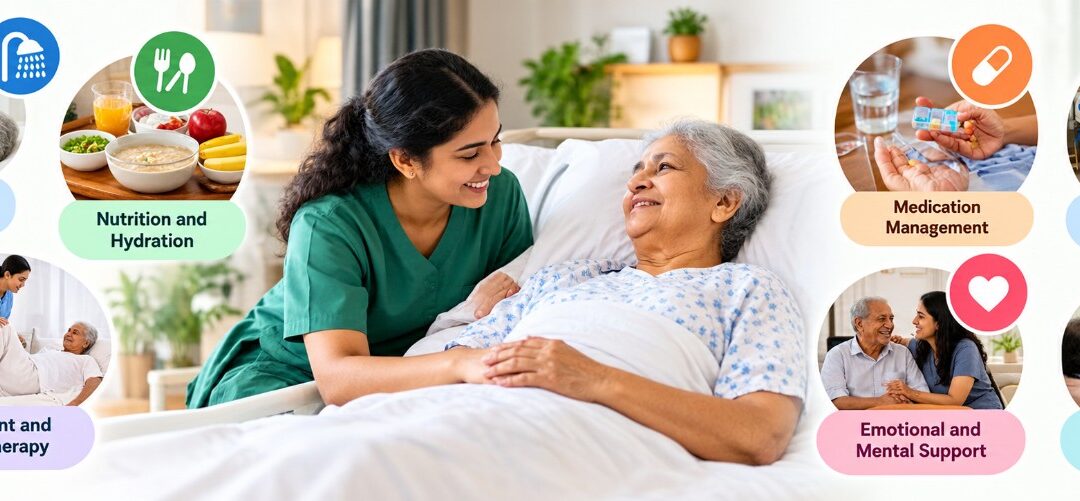
Whether a person has permanent disability after a stroke—and how much—depends on the extent of the brain damage and the specific parts of the brain that are damaged. Rehabilitation is essential to stroke recovery. Stroke is the leading cause of severe adult disability in the United States and worldwide, but with treatment and rehabilitation, most people with stroke are able to regain some function. Ongoing research in this area has supported the development of several potential approaches and therapies to help rehabilitate people after stroke. Rehabilitation therapy often involves relearning or overcoming the loss of skills such as walking, processing language and thinking clearly.
Source: American Stroke Association
Achieve the best long-term result
Although the brain can rewire its circuits after a stroke and improve function over months or years, rehabilitation can make a huge difference in helping survivors achieve the best long-term outcome.
Treatment often starts within 48 hours
Rehabilitation therapy usually only takes place in the hospital within 48 hours of a stroke. It often starts with exercises to help overcome any paralysis or weakness. Regaining the ability to perform basic activities of daily living is the first stage in returning to independence after having a stroke.
Professionals specializing in stroke rehabilitation
- Doctors
- Rehabilitation nurses
- Physiotherapists
- Occupational therapists
- Therapeutic recreation specialists
- Speech-Language Pathologists
- Occupational therapists
- Social workers
- Psychologists
Rehabilitation facilities
Many stroke survivors return home after discharge from the hospital, but some move into a medical facility or other rehabilitation program. The possibilities are:
| Facility | Description |
|---|---|
| Inpatient rehabilitation | Therapy and rehabilitation care received while in the hospital following a stroke |
| Outpatient units | Therapy and rehabilitation care received outside the hospital, in a clinic or facility |
| Skilled nursing facilities | Therapy and rehabilitation provided by trained nurses in a medical setting |
| Home-based rehabilitation programs | Therapy and rehabilitation care administered by a trained provider in your home |
Devices that support stroke recovery
The US Food and Drug Administration (FDA) has approved several devices to support stroke rehabilitation and recovery. For example, Neurolution’s Upper Extremity Rehabilitation System is used to increase range of motion and grip in individuals age 18 and older with upper arm disability undergoing stroke rehabilitation. The brain-computer interface uses non-invasive electrodes to record brain activity. The electrode reading is then analyzed to determine the intended muscle movement, and a signal is sent to a wireless electronic hand brace, which in turn moves the person’s hand.
The MicroTransponder Vivistim Paired VNS System electronically stimulates the vagus nerve, which runs from the brain down to the abdomen, to improve the individual’s ability to move the arms and hands. The device is approved for use in conjunction with stroke rehabilitation in individuals with moderate to severe impairment of their upper limbs and motor defects in their extremities caused by ischemic stroke. As technologies advance, NINDS-funded researchers are exploring ways to leverage advances in biologics to support people who have had a stroke.
Stroke rehabilitation projects
Another area of research focuses on using rehabilitation to stimulate the brain to rewire itself and compensate for functions lost as a result of stroke. NIH has funded more than 300 research projects involving stroke rehabilitation since 2012. NINDS and other NIH components conduct stroke rehabilitation research and fund research at major institutions and universities. These are just a few examples:
- Diagnosis and treatment of stroke-related swallowing problems (dysphagia) (through the National Institute on Deafness and Other Communication Disorders [NIDCD])
- Development of new technology for stroke treatment and rehabilitation (through the National Institute of Biomedical Imaging and Bioengineering [NIBIB]collaborates with NINDS and the Eunice Kennedy Shriver National Institute of Child Health and Human Development [NICHD])
- Vision Restoration and Rehabilitation (through the National Eye Institute [NEI])
Advancing rehabilitation through technology
NIH is at the forefront of research that advances rehabilitation through technology, including:
Telerehabilitation
A home-based telehealth system designed to improve motor recovery and patient education after stroke. This phase 2 trial showed that intensive home-based daily upper extremity (UE) motor telerehabilitation significantly improved UE function in post-stroke patients and was non-inferior to dose-matched therapy delivered in the clinic.
Transcranial direct current stimulation for motor recovery after stroke
A phase 2 study (TRANSPORT 2) to find out whether brain stimulation at different dose levels combined with a proven rehabilitation therapy can improve arm function.
Sleep SMART (Sleep for Stroke Management and Recovery Trial)
To determine whether treatment of sleep-disordered breathing with positive airway pressure after acute ischemic stroke or high-risk transient ischemic attack prevents recurrent stroke and whether treatment of sleep-disordered breathing shortly after acute ischemic stroke improves stroke outcome at 3 months.
Stroke Recovery Resources
Additional recovery information may be available from the following organizations and resources: