
The Best Chemical Exfoliants, According to Plastic Surgeons

by | Nov 17, 2025 | Cosmetic Procedures, Makeup Tips, Natural & DIY Beauty, Remedies, Skincare


Chemical exfoliants are one of those categories that can get confusing fast, especially when you’re staring at a shelf (or more likely, a screen) packed with AHAs, BHAs and PHAs and trying to figure out what actually deserves a spot in your cart. A quick refresher: Unlike physical exfoliants, which rely on gritty particles to manually buff away dead skin, chemical formulas use acids to dissolve the bonds holding those cells in place. The differences come down to the type of acid—some are derived from natural sources, like fruit sugars, while others are lab-created. In short: it’s a skin-care category that truly deserves its own deep dive.

Ahead, the formulas they reach for again and again—and exactly why they love them. And remember: It’s always best to check with your own provider before starting something new, but these recs offer a helpful look at what experts genuinely trust.

Featured Experts

  • Jaimie DeRosa, MD is a board-certified facial plastic surgeon and founder of DeRosa Center Plastic Surgery & Med Spa in Boston and Palm Beach, FL
  • Sachin M. Shridharani, MD is a board-certified plastic surgeon and founder of Luxurgery in New York
  • Goretti Ho Taghva, MD is a board-certified plastic surgeon and Founder of LEA Plastic Surgery & Aesthetic Lab in Newport Beach, CA
  • Shim Ching, MD is a board-certified plastic surgeon and founder of Asia Pacific Plastic Surgery in Honolulu, HI

How to Use Chemical Exfoliants

Chemical exfoliants can show up in a few different formats, such as toners, serums, creams or even cleansers. “Chemical exfoliants are typically used as a liquid/cream-based product and may even be part of a cleanser,” she explains. If yours isn’t built into your face wash, she recommends starting with a clean canvas: “Wash your face first to remove dirt, make-up and impurities and then use your chemical exfoliant.” After rinsing, you can move through the rest of your usual routine as normal.

Who Should Avoid Chemical Exfoliants

While chemical exfoliants can be incredibly effective, they’re not for every situation. Dr. DeRosa notes that they’re best avoided when the skin is already vulnerable. “I would recommend avoiding use of a chemical exfoliant on broken, irritated skin or if the skin has been compromised in any way, such as after a chemical peel or microneedling,” she says. She also adds that “patients who are pregnant or breastfeeding should always check with their doctor before using a chemical exfoliant.”

Signs to Look Out For

Even though chemical exfoliants tend to feel gentler than gritty scrubs, they can still cause irritation if you overdo it. Dr. DeRosa points out that, similar to physical exfoliants, they shouldn’t necessarily be an everyday step. “Just like a physical exfoliant, a chemical exfoliant should not typically be used every day, since this could irritate the skin,” she says. Redness, dryness and irritation are early warning signs. If you notice any of those, Dr. DeRosa recommends pressing pause: “If that happens, just give your skin a rest and use a gentle cleanser and products.”

The Best Chemical Exfoliants, According to Board-Certified Plastic Surgeons

1 / 5

I always think of face masks as the dessert course of skin care, which makes this pick the perfect place to begin. “My favorite chemical exfoliant is Andalou Naturals Brightening Pumpkin Honey Glycolic Mask,” says Dr. DeRosa. “Glycolic acid—an AHA—and pumpkin extract, rich in beta-carotene, help to gently exfoliate, smooth and brighten the skin. The honey and hyaluronic acid help to nourish and hydrate the skin, while turmeric helps brighten the skin.”

2 / 5

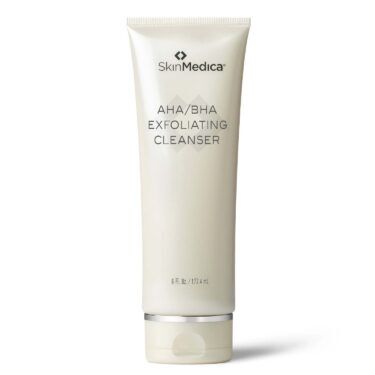
“When it comes to maintaining smooth and healthy skin, one of my recommended products is the SkinMedica AHA/BHA Exfoliating Cleanser,” says Dr. Ching. “It’s a favorite of mine and one I often recommend to patients here at Asia Pacific Aesthetics because it delivers professional-level exfoliation in a way that’s still gentle enough for most skin types.

What makes this cleanser special is its blend of alpha-hydroxy and beta-hydroxy acids. The AHAs work on the surface of the skin to dissolve dull, dead cells, while the BHAs penetrate deeper into the pores to clear congestion and refine texture. Together, they help brighten the complexion, smooth fine lines, and prep the skin to better absorb other active ingredients, such as vitamin C, retinol or growth factors. It’s an easy way to keep your skin in that ‘post-facial’ glow between your in-office treatments.”

SkinMedica AHA BHA Exfoliating Cleanser

3 / 5

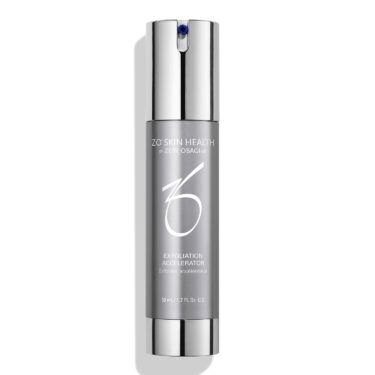
“I’ve seen firsthand how much of a difference regular, well-formulated exfoliation can make for skin health and glow,” says Dr. Taghva. “Chemical exfoliants are essential for maintaining smooth texture and even tone. But because I already do higher-impact treatments like microneedling and lasers, I don’t look for something that causes prolonged peeling or downtime. I prefer gentle, intelligent exfoliation that integrates seamlessly into my regimen.

My favorite is the ZO Skin Health Exfoliation Accelerator, which combines 10 percent glycolic and lactic acids with soothing antioxidants and botanicals such as aloe, green tea and chamomile. It gently removes dull surface cells while calming the skin and promoting renewal. It is ideal for ongoing maintenance between procedures.”

ZO Skin Health Exfoliation Accelerator

4 / 5

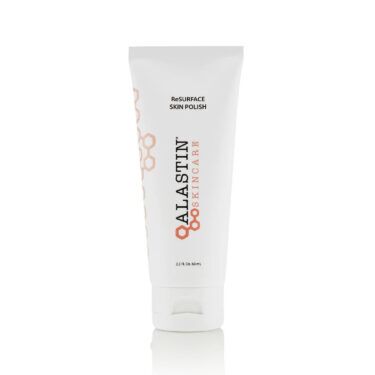
If you’re someone who finds the idea of exfoliating without the gritty feel a bit unsettling, here’s Alastin ReSURFACE Skin Polish as a happy medium:It combines gentle chemical exfoliation with perlite, a volcanic mineral that removes dead skin cells and promotes smoother, brighter skin,says Dr. Shridharani.The formula includes glycolic acid, phytoene, and phytofluene for effective exfoliation while maintaining skin health and minimizing irritation.”

Alastin Skin Polish

5 / 5

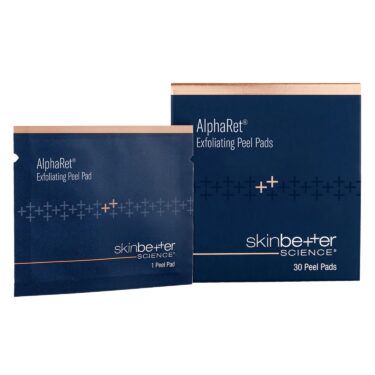
Dr. Taghva was torn between choosing just one, so she also shared a second favorite: these peel pads, which the brand recommends using up to three times per week after cleansing, swiped over the skin in circular motions with no rinsing required. “They use lactic, glycolic, and salicylic acids with their proprietary AlphaRet retinoid technology,” the plastic surgeon explains, adding that they lend “clinical-grade resurfacing and collagen stimulation in a single swipe, yet remain surprisingly tolerable even for sensitive skin.”

Skinbetter Science AlphaRet Exfoliating Peel Pads


Source link