Ah, crepey skin. It doesn’t show up overnight the way a breakout might—it’s a gradual shift that often begins on the arms, neck and chest, where skin is naturally thinner and more exposed to the sun. Over time, it can start to look looser and less resilient than it once did. And while no cream can completely reverse crepey skin, dermatologists say the right formulas can make a subtle yet noticeable difference.
“Skin-plumping results from hydrating and moisturizing the skin can be seen right away,” says board-certified dermatologist Hadley King, MD. “Formulations that contain humectants of different molecular weights can hydrate at different levels of the skin, creating plumping and smoothing results. These results can be seen quickly, but they are temporary. Longer-lasting results from the production of collagen and elastin won’t be seen as quickly—possibly as soon as two to four weeks, with continued improvement over the first three months.”
Ahead, the best creams and lotions for crepey skin, recommended by board-certified dermatologists—plus a quick 101 on the FAQs they hear most.
Featured Experts
- Kristina Collins, MD is a board-certified dermatologist in Austin, TX
- Hadley King, MD is a board-certified dermatologist based in New York
- Morayo Adisa MD, is a board-certified dermatologist and dermatopathologist in Chicago
- Ariel Ostad, MD is a board-certified dermatologist in New York and spokesperson for The Skin Cancer Foundation
What Is Crepey Skin?
Crepey skin gets its name from its delicate, finely crinkled texture. As Dr. Collins explains, it’s tied to deeper structural changes in the skin. “Crepey skin develops when the skin’s structural support—collagen, elastin and overall dermal thickness—begins to decline. It shows up as fine, crinkly lines and that characteristic ‘tissue-paper’ look,” she says.
While dryness can make crepiness look more pronounced, it’s not the root cause. “Dryness itself is temporary and superficial,” she continues. “Crepey skin reflects deeper, long-term changes.” In other words: a great moisturizer alone won’t erase it, but with consistent use, the right formulas can help the skin look smoother and more resilient.
What Causes Crepey Skin?
There’s no single cause of crepey skin; instead, it’s the result of multiple changes happening at once. According to Dr. Collins, sun exposure tops the list, along with natural aging, inflammation, free-radical damage and sometimes hormonal shifts. Over time, these factors weaken collagen and elastin and thin the dermis, making the skin look looser and more delicate.
Ingredients can help counteract some of these changes. As Dr. King says, “Sun protection is the single most important factor in helping prevent premature skin aging.” She adds that humectants such as glycerin, hyaluronic acid, polyglutamic acid and collagen “hydrate and plump the skin,” while emollients such as squalane and ceramides “support the skin barrier.” Retinoids and peptides play a deeper role by helping stimulate collagen, increase cell turnover and smooth texture over time. Antioxidants—such as vitamin C and plant extracts—help protect skin from free-radical damage that contributes to crepiness in the first place.
It is important to remember there is no product that will completely reverse crepey skin, but you can use topical creams to help prevent and maintain results. And for more significant improvement, in-office treatments may be a better fit. Dr. Ostad says that options such as microneedling with radiofrequency (e.g., Morpheus8), the Fraxel CO2 laser and hyaluronic acid injectables can help tighten and firm areas prone to crepiness, including the face, neck, arms and abdomen. He also mentions that minimally invasive tightening treatments—such as BodyTite, FaceTite and AccuTite—can have more dramatic contouring with relatively little downtime.
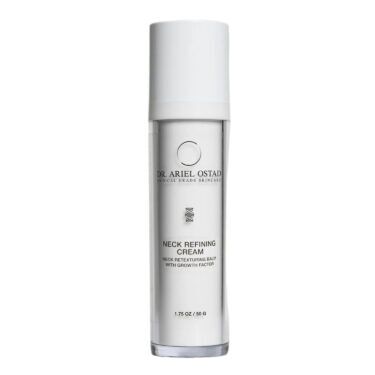
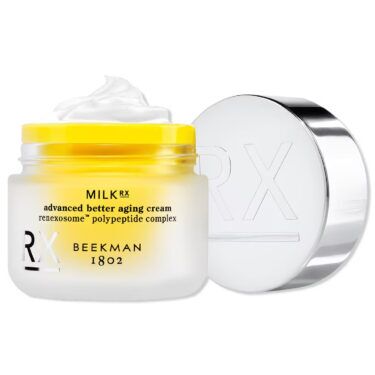
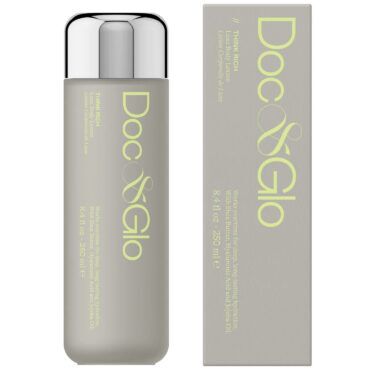
The Best Lotions and Creams for Crepey Skin, According to Dermatologists
/
/
/