
- People usually get cholera from drinking water or eating food contaminated with cholera bacteria.
- People who travel to or live in places with unsafe drinking water, poor sanitation and inadequate hygiene are at greatest risk of contracting cholera.
- Learn what you can do to protect yourself from getting sick with cholera.
What causes it
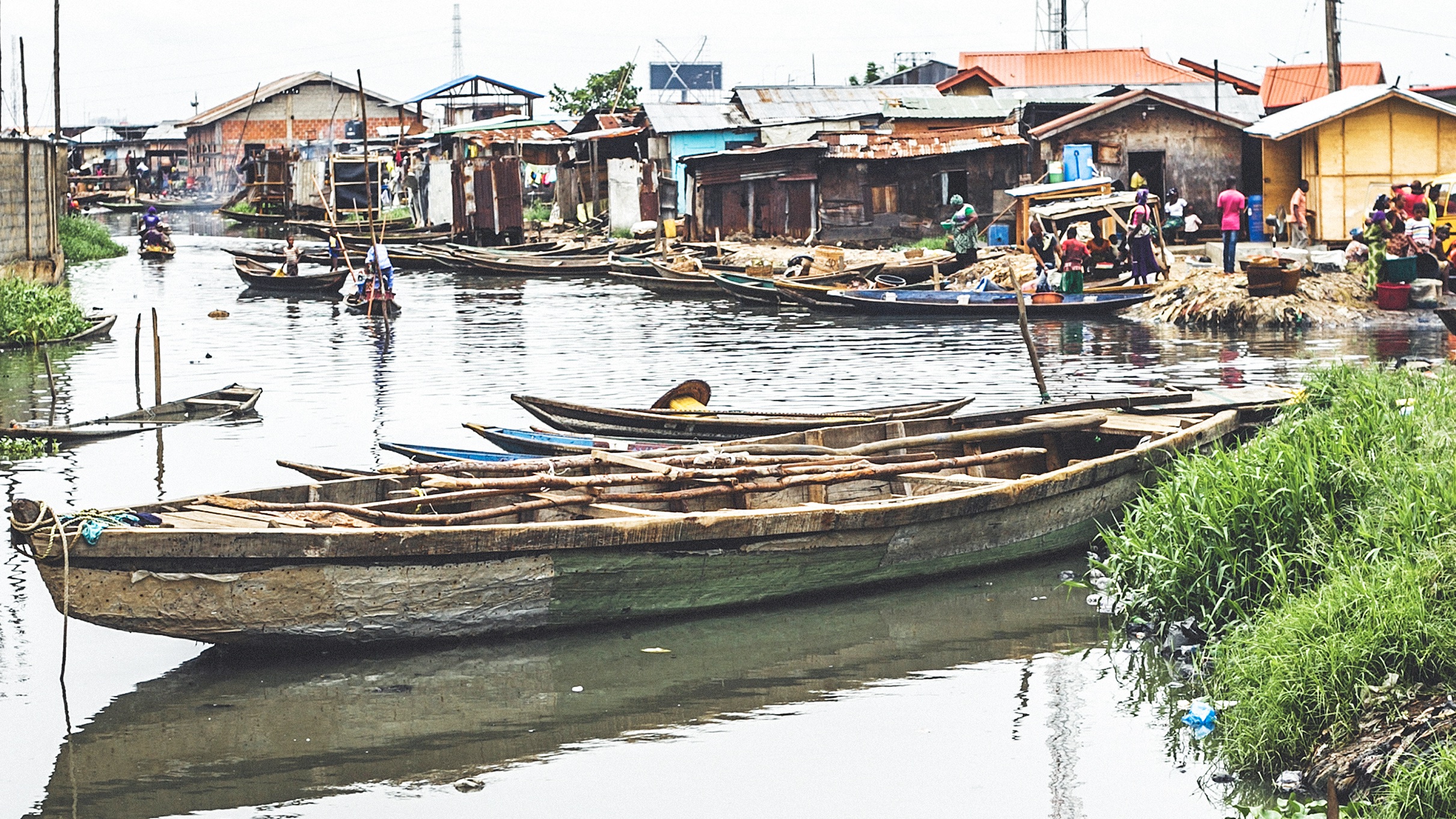
People can get cholera by drinking water or eating food contaminated with cholera bacteria. Cholera can spread quickly in areas where sewage and drinking water are not adequately treated.
Cholera bacteria can also live in brackish water (slightly salty) and coastal waters. Eating raw shellfish such as shrimp and crab can be a source of cholera.
Cholera is not likely to spread from person to person or from casual contact with a person with cholera.
Learn how to protect yourself and others if you are going to or live in a place where cholera is present.
How it spreads
Large outbreaks are often related to contaminated water supplies or food from street vendors.
In some countries, people moving to urban centers strain water and sanitation systems.
For decades, some regions of Asia, Africa and Latin America have faced an ongoing cholera pandemic. The African continent has the highest fatality rates for cholera cases.
Understanding risk
People who are more likely to be exposed to cholera include healthcare workers who treat cholera patients, cholera emergency workers, and travelers to an area where cholera is present.
Cholera can be fatal for up to 50 percent of people with severe disease. People who are more likely to have severe cholera include those with:
- Blood type O
- Chronic medical conditions
- Achlorhydria (absence of hydrochloric acid or HCI in the stomach)
People without access to rehydration therapy and medical services are also more likely to have severe illness from cholera.