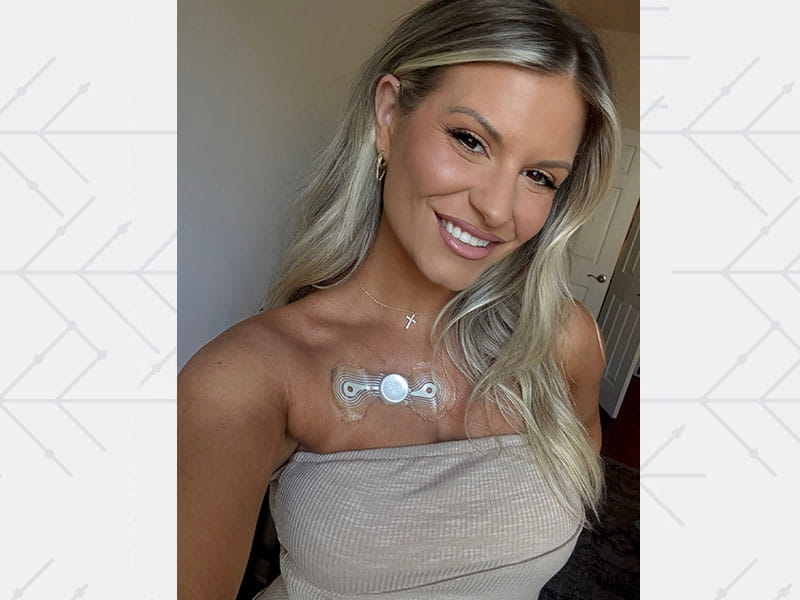
Julie Iacovelli’s heart attack seemingly came out of nowhere.
She was 31, exercised regularly and had just had her annual check-up the day before. When she started feeling “a strange kind of nausea” and other symptoms one morning in December, she thought it was an anxiety attack. It turned out to be a completely blocked coronary artery. After having three stents inserted to open the artery and spending four nights in the hospital, she returned to her home in Swedesboro, New Jersey.
Her battle had just begun.
“My brain couldn’t process what was happening,” Iacovelli said. She could not sleep; the life-threatening experience kept replaying in her head. “I replay it, replay it, replay it, and it would send me into an anxiety attack because I was so afraid it would happen again.”
By January, she was calling 911 regularly because every twinge and minor pain felt like a sign of another heart attack.
“Every single night I would look at my girlfriend and just cry my eyes out,” Iacovelli said. She asked herself, “How could this happen to me? Why is this happening to me?”
While Iacovelli’s heart attack was unusual, her mental health battle afterward was not.
Heart attacks often cause psychological distress in survivors, according to an American Heart Association scientific statement published in September in the journal Circulation. Up to half of people hospitalized for a heart attack report anxiety or post-traumatic stress disorder. Up to a third of survivors experience depression.
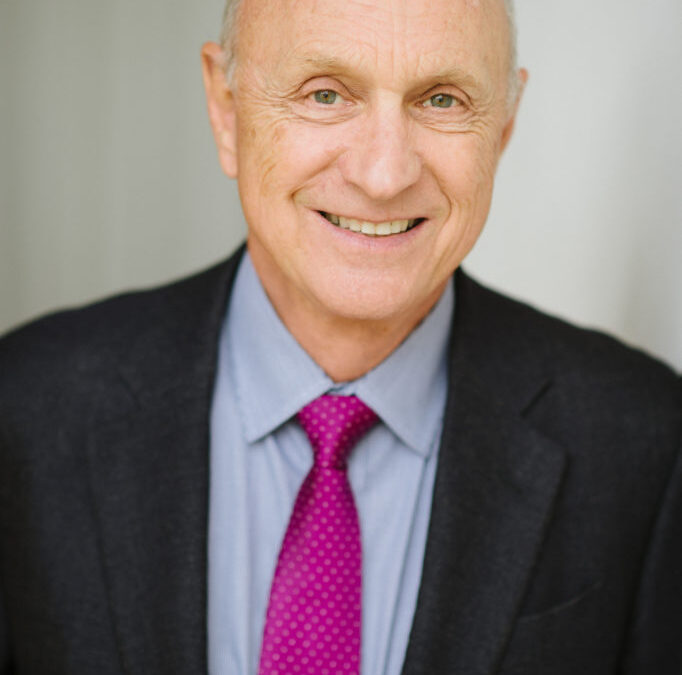
Dr. Jeff Huffman, a professor of psychiatry at Harvard Medical School in Boston who helped write the opinion, said the fear that follows a heart attack is understandable.
“For many people, having a heart attack is a sudden and abrupt medical event, one that they may not have seen coming,” he said. It can be scary, and afterwards people might think, “Who’s to say I won’t have another one today or tomorrow or the next day?”
Such fear, he said, “is perfectly normal.”
How a heart attack and mental health are connected
After a heart attack, mental stress can lead to physical risks.
Depression after a heart attack is associated with a greater risk of having another cardiovascular event, Huffman said.
A heart attack itself can trigger inflammation that can trigger depressive-like symptoms such as withdrawal, inactivity and social withdrawal, the scientific statement said. At the same time, depression is associated with inflammation and blood clot formation, Huffman said.
Importantly, he said, depression can also hinder healthy behavior.
“If you have a heart attack, your doctors and your medical team may ask you to make a lot of really important life changes,” Huffman said. People who are depressed are less likely to be able to follow through with changing their diet or quitting smoking or becoming more active.
“And that obviously has real implications for the likelihood that they will recover well and the likelihood that they will have another cardiovascular event,” he said.
How to deal with fear after a heart attack
Worry after a heart attack is normal, Huffman said. But if it prevents someone from doing things that would help them recover, “that’s really a red flag and that’s when it’s time to get some help.”
Among the things Huffman said can help:
- Cardiac rehabilitation, a medically supervised program of exercise, counseling and training, connects survivors with a team whose entire mission is to help people recover from cardiac events, Huffman said. “These are real experts.” They can oversee a safe return to physical activity, he said, and perform mental health screenings. The rehab setting also lets survivors see other people share their experiences.
“You’ll see that you’re not the only one who has some uncertainty,” Huffman said. “You’ll see that you’re not the only one still trying to trust your heart again. And just having the experience of meeting and working with other people who are in the same boat as you or in similar situations can be hugely reassuring.”
- Asking specific questions.
Talk to your medical team about what is and isn’t safe, Huffman said. “Really nail them on it so you can have the peace of mind.” That way, if you start to worry about an activity, you can “do a little self-talk and remind yourself, ‘My cardiologist said this was OK.'”
- Counseling or medication.
If the other steps don’t help, talk to your primary care doctor about a referral to a mental health professional, Huffman said. Cognitive behavioral therapy can help people distinguish realistic concerns from irrational fears, he said. “And sometimes medication to treat a mental illness can make a huge difference in people’s ability to feel well enough to get back to their lives.”
What worked for a survivor
Many of these elements were part of Iacovelli’s recovery.
Doctors suspect her heart attack was caused by a spontaneous coronary artery dissection, or SCAD, a tear in an artery wall.
Her symptoms started at breakfast and included nausea, weakness and dizziness. Her left arm felt “like it weighed a thousand pounds.”
After Iacovelli got home, a simple trigger, such as a breath that didn’t feel right or a tingling sensation in her hand, could set her off.
“I was in a very, very bad place,” she said. “I was becoming one with my couch.”
Cardiac rehabilitation helped a lot. “The fact that it got me out of the house in such a depressed state is huge,” she said. “Being connected to the monitors and being actively watched” while she worked out eased her fears.
Support from the nurses there made her feel less alone. So did seeing others in her situation. “When you go to cardiac rehab, you’re surrounded by all these people who may not be dealing with the exact same thing, but are dealing with something very, very similar.”
Iacovelli continued to see a therapist who had previously helped with her anxiety. “We incorporated a lot of grounding and mindfulness,” she said.
A prescription antidepressant also helped.
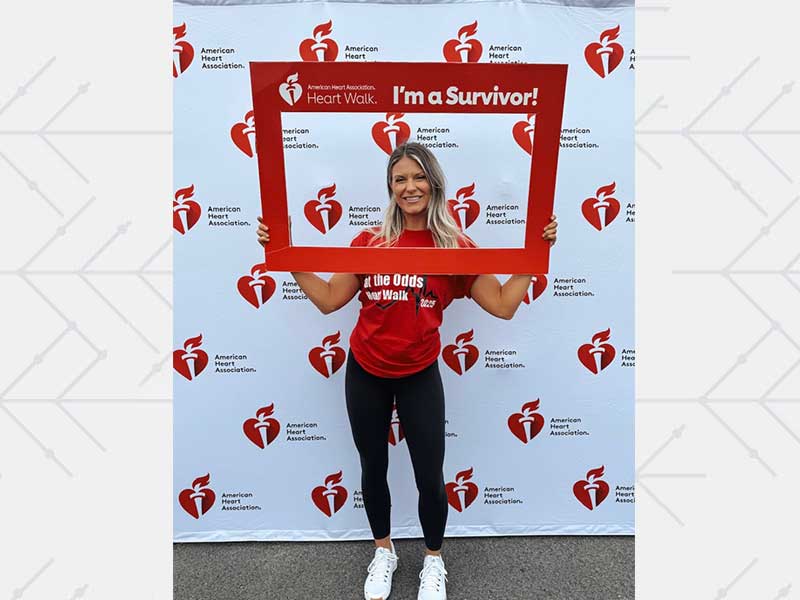
And she talks about what happened “as much as I possibly can.” She will be recognized during a Go Red for Women event this month in Cinnaminson, New Jersey.
She still has ups and downs. “I have more good days than bad days, but man, when the bad days hit, they hit like they never went away.”
But the support of her boyfriend, Jerrett Clark, has helped her through her most challenging moments.
Focus on strength
Caregivers can play an important role in helping a survivor focus on their strengths, Huffman said. They can help survivors remember how they got through other tough times, “or how they accomplished something really cool,” and the qualities they used—perseverance, optimism, gratitude, or something else.
“I think it can feel really good and can help people recover faster,” Huffman said.