Ongoing measles outbreaks have many families worried. Most people who have become ill were not vaccinated against measles. This is a stark reminder of the importance of making sure your children are fully vaccinated.
Here are answers to
question many parents have about the ongoing measles outbreaks and the steps you can take to protect your family.
I thought measles was a mild disease, so why the alarm now?
Measles was once a common childhood disease, almost an expected part of growing up. While most children recovered from measles without problems,
many others did not. In some children the infection caused pneumonia and in a few encephalitis
(brain infection) and even
death.
Before
measles vaccine was available in the United States, an average of 450 people died each year from measles; most of them were previously healthy children. Thanks to the measles vaccine, we can now protect children from measles. In recent years, however, some parents have refused or delayed vaccinating their children out of fear or
misinformation sore
measles vaccine safety. This means that there are more unvaccinated children, teenagers and adults in our local community.
Record measles outbreaks
The US now has the most measles infections in over 30 years. There have been more than 1,900 infections across at least 42 states by 2025. This includes Texas, where 2 unvaccinated children died from measles. Thousands of cases have also been reported in Mexico and Canada, which lost its measles elimination status from November 2025. Vaccination is the best way to keep communities healthy and prevent more outbreaks.
Vaccination recommendations in outbreak areas
Further or early vaccination may be recommended in areas where measles continues to spread. For example, health departments may recommend a second dose for children ages 1 to 4 who received one dose and live in or plan to travel to the outbreak area. An early dose may be recommended for
infants age 6 to 11 months lives in or travels to outbreak areas. Children who have not received any MMR vaccine may need two doses 28 days apart.
If you choose not to vaccinate your children, they will not only be susceptible to measles, but also expose other children to measles. This includes infants who are
too young to be vaccinated and those who are unable to be vaccinated due to other health conditions.
(See “Should children who have not received a measles vaccine attend school during an outbreak?“)
How is measles spread?
Measles virus is easily spread through the air when an infected person sneezes or coughs and someone nearby inhales the infected droplets. It can also be transmitted by direct contact with fluids from the nose or mouth of an infected person.
How long can measles virus live on surfaces?
Measles is one of the most contagious infectious diseases known. The virus can live for up to 2 hours in the air where infected people have coughed or sneezed, or on surfaces they may have touched. As a result, anyone in crowded public spaces can come into contact with measles.
What are the signs and symptoms of measles?
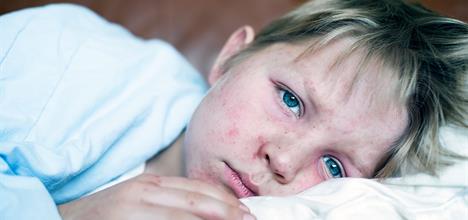
The most recognizable measles symptom is a very high fever accompanied by a red or brownish spotted rash, although this is not the only symptom.
Before the rash appears, children with measles develop cold-like symptoms
symptomsincluding:
-
Cough
-
Runny nose
-
Fever
-
Red, watery eyes
These symptoms tend to get worse during the first 1 to 3 days of the illness.
When should children be vaccinated against measles?
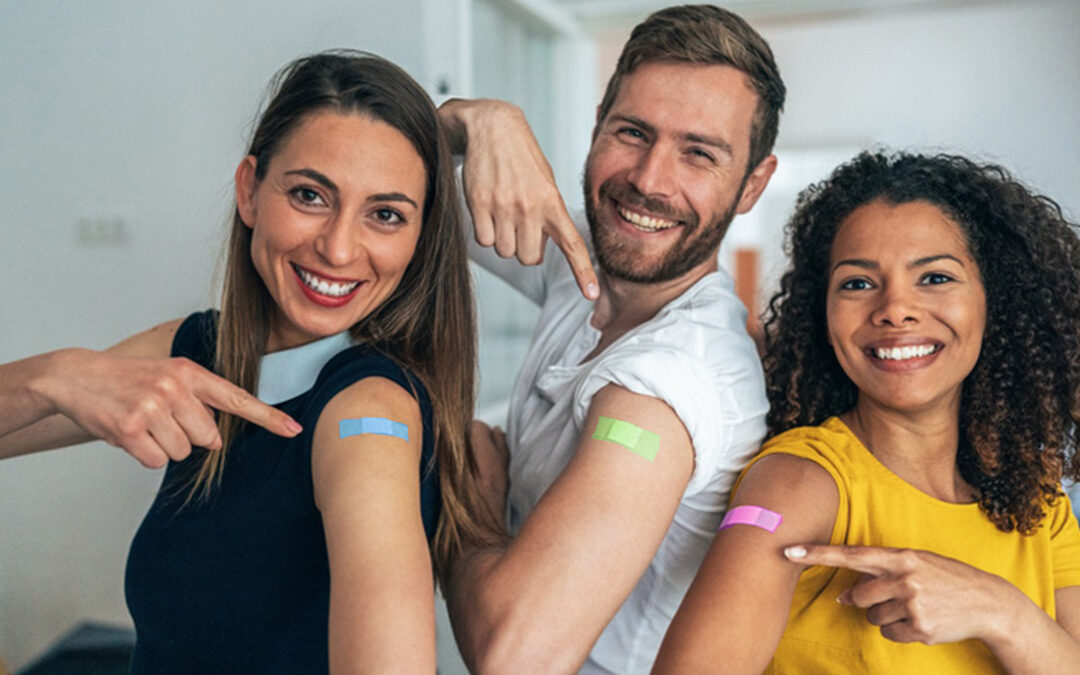
American Academy of Pediatrics (AAP) recommend children receive the measles, mumps and rubella (MMR) vaccine at the age of 12-15 months and again at the age of 4-6 years. Children can receive the second dose earlier if it is at least 28 days after the first dose.
There is a combination vaccine called MMRV that contains both varicella and MMR vaccines. MMRV is an option for some children aged 12 months to 12 years.
What if my baby is too young for the measles vaccine?
High immunization rates in a community protect those who are too young to be vaccinated, including infants under 12 months of age. These infants are at the highest risk of serious illness, hospitalization, and death from measles. Find information about
vaccines for infants aged 6-12 months during an outbreak or before international travel to a place with an active measles outbreak.
What do we know about the safety of the measles vaccine?
Getting the measles vaccine is a better way to boost their immune system
than getting a measles infection. Occasional effects after the measles vaccine include fever, tenderness at the injection site, and rash.

Speaking up for vaccines and our health
By: Arin Parsa

When the COVID pandemic hit, my life, like so many teenagers around the world, changed dramatically. We lived in isolation, unable to visit friends and family, worried about our aging grandparents and younger siblings. But thanks to the vaccine, we were able to regain some normalcy in our lives.
Unfortunately, despite billions of life-saving vaccines given worldwide, misinformation continues to rise. Routine vaccination rates have also fallen to dangerous levels.
Measles cases have increased and spread in schools and communities where parents, swayed by false claims, refused to vaccinate their children.
My parents immigrated from India where they witnessed violence
polio cases in low-income neighborhoods where people do not have access to vaccines. So they arranged for me to see a doctor
control every year and kept my pictures up to date. Without hesitation, I was vaccinated against COVID, human papillomavirus (HPV), measles, meningitis, influenza and other dangerous diseases. I did this because I believe in the science of vaccines to protect myself and reduce the chance of spreading diseases to others.
Vaccines are a modern miracle of public health. They are not perfect, but the alternative to vaccines is one where our lives and futures are held hostage to deadly pathogens. Science, love and a commitment to protect each other are the only ways we can overcome disease.
Arin Parsa is the founder of
Teens for Vaccines Inc.
Arin’s story originally appeared on Voices for Vaccines
blog.
How long does the immunity from the measles vaccine last?
The measles vaccine is very effective in protecting against measles. But no vaccine is 100% protective, so very rarely people who are vaccinated can develop measles. About 95 out of every 100 people will be protected after receiving a dose of the MMR vaccine. Two doses of MMR protect 97-99 out of every 100 people.
I am not sure if I have had the measles vaccine. Do I need a booster?
If you are not sure whether you or your children have been fully vaccinated against measles, talk to your doctor to see if anyone in your family should be vaccinated. There is no risk of getting the measles vaccine if you have been vaccinated before. Measles is a live vaccine, so children with immune problems or who are taking medications that suppress the immune system should not receive the measles vaccine.
Your pediatrician is your best source of advice on vaccinations.
More information
The information on this site should not be used as a substitute for medical care and advice from your pediatrician. There may be variations in treatment that your pediatrician may recommend based on individual facts and circumstances.