Survives suddenly cardiac arrest (SCA) is a life-changing event, not only for you, but also for people around you. Before you leave the hospital, you and your family members should prepare for your care and recovery at home.
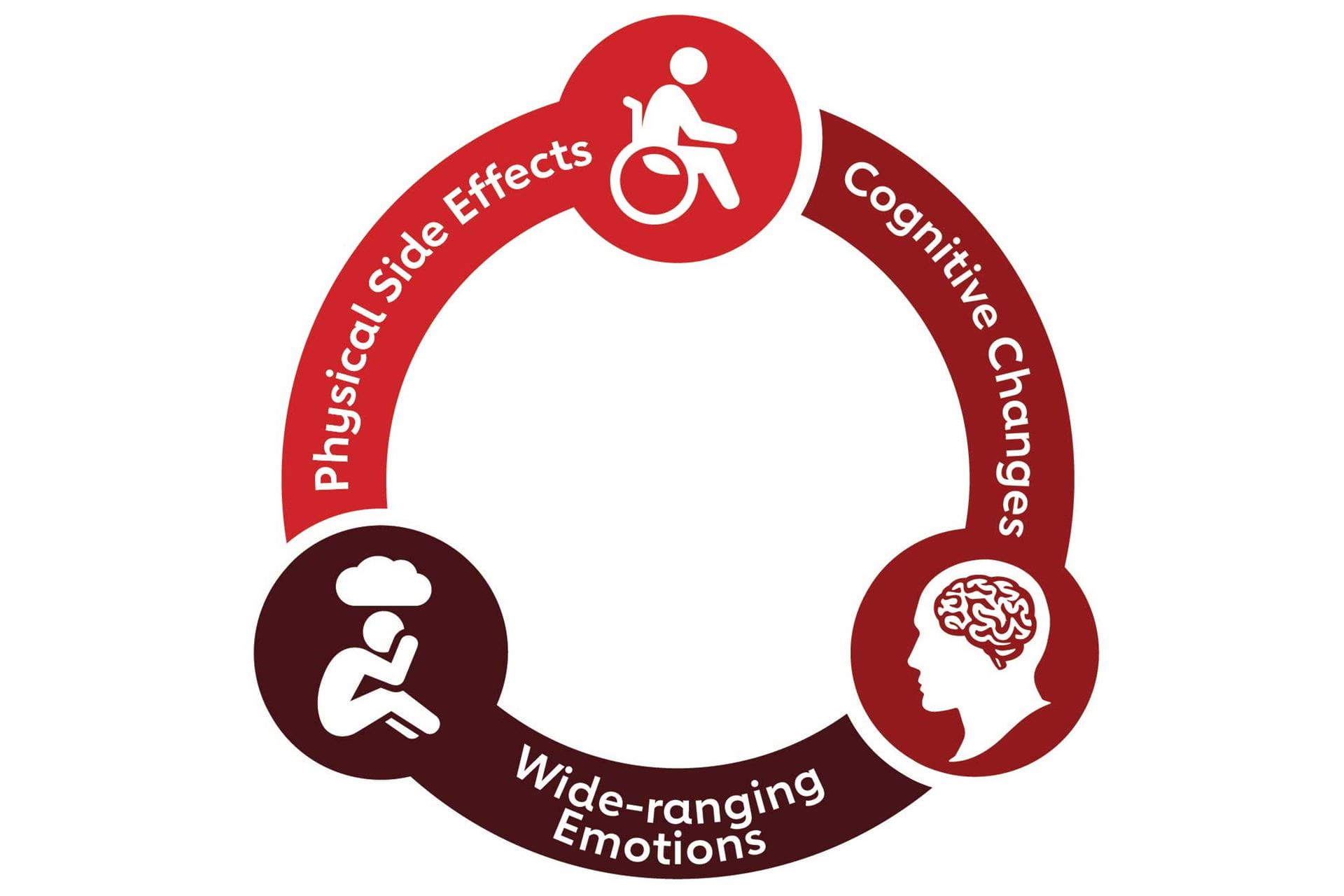
Your heart and body have been through a big event and need time to recover. You may experience changes in your physical and mental abilities over the next year as you recover. Knowing what to expect and how to handle things can help you and your family cope better.
What physical side effects might I have?
Many cardiac arrest survivors have reported these physical side effects:
- Physical fatigue
- Muscle weakness
- Pain from chest compressions
- Changes in vision or speech
- Problems with fine motor skills
- Difficulty swallowing
- Difficulty sleeping
- Low sex drive or sperm count
- Medication side effects
All of these are normal. Most survivors report that their side effects improve within the first year.
How can my brain function be affected?
During your cardiac arrest, the blood supply to your brain stopped, which meant that the oxygen to your brain was limited or reduced. This may result in some cognitive changes during your recovery. Many survivors have reported the following brain-related problems after their SCA:
- Lack of focus or attention
- Short- and long-term memory problems
- Lack of planning and organizational skills
- Reduced ability to learn new things
- Language problems – understanding speech and speaking skills
- Vision problems
All these problems are normal. Most survivors report that their brain-related changes improve within the first year. Some survivors have more severe deficits and require long-term support.
Is it normal to have a range of feelings after an SCA?
Yes, it is common for people to feel a wide range of emotions after a cardiac arrest.
Fear, anxiety, depression and loneliness are common feelings. These feelings are associated with changes in life after an SCA. These may include:
- Problems being in the same roles and activities as you had before
- Fear of the unknown
- Fear of another cardiac arrest
- Increased dependence on others
These feelings are often mixed with feelings of joy, elation and gratitude to be alive.
If you need help dealing with your feelings, know that you are not alone. You can discuss your feelings with trusted friends, religious leaders or family. You can also ask your healthcare team for support.
What else can I do?
Some SCA survivors may be referred to a local cardiac rehabilitation program. While this can be helpful, some survivors say it doesn’t apply to their situation.
Even with the best intentions, family and friends may also not understand how survivors feel. Survivors often find it helpful to talk to other survivors who have been through what they have.
Check to see if your area has an SCA survivor support group you can join, or see if there are online options that might be a better fit. There is online communities designed to connect survivors of SCA.
What follow-up with my healthcare team should I have?
It is very important to follow up with your primary care provider to ensure they have the information about your event and recovery treatment. They may also be able to direct you to other resources that you may find useful.
Cardiac arrest affects each person differently. Talk to your healthcare professional about any unusual symptoms you have or other changes you experience.
You might want to ask:
- Will I be on these medications forever?
- When can I return to work?
- Can I exercise or return to my normal activities?
- When can I be intimate with my partner?
- When can I drive?
- How can I prevent this from happening again?
- Are there other health professionals I should see, such as a physical therapist, nutritionist, or psychiatrist?
- Are my family members at greater risk of cardiac arrest?
Family members, especially those you live with, have also “survived” this life-changing event with you. You may not see it, but they can fight too. They do their best to understand and support you. They may also need support