
Children are victims of about 60% of all dog bite in the United States. Fortunately, a relatively small number of these bites spread the very serious rabies infection. Rabies is a rare disease in the United States, with 1 to 2 deaths reported each year.
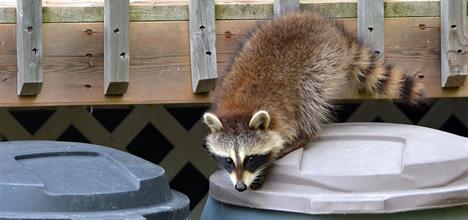
Rabies is caused by a virus that is present in animals infected with it. The virus can be spread to humans through direct contact with the saliva of an infected animal, usually from bites or scratches. The biggest risk comes from wild animals, especially bats, but also raccoons, skunks, foxes and coyotes. Domestic animals such as dogs and cats are usually immunized against rabies.
Signs and symptoms of rabies
When the rabies virus enters the body, it can travel along the nerve pathways to the brain. It causes severe symptoms that begin with pain, tingling, and numbness at the site of the bite or scratch. It can then quickly progress to other symptoms, including:
-
Anxiety, restlessness and aggressiveness
-
Difficulty swallowing, especially water (hydrophobia)
-
Muscle spasms
-
Drooling
-
Paralysis
-
Coma and death
How long does it take to show signs of rabies in humans?
The incubation period for rabies in humans can last weeks to months. However, it can be shorter with a bite on the face. It can also be much longer in some cases of bites on the feet or legs (sometimes extending more than a year).
What to do if your child is bitten by an animal
If your child has been bitten by an animal, rinse the wound thoroughly with water and wash it with soap and water.
If possible, it is important that the animal is caught so that a veterinarian can check whether it has a rabies infection. However, unless the proper equipment is available, do not attempt to capture a possibly rabid animal. Captured animals are killed and their brains immediately examined for rabies. Pets that look good and have been immunized can be watched for symptoms of the disease. This observation period should be extended by 10 days. If the animal develops symptoms, it must be euthanized and the brain examined.
When should you call your pediatrician?
Whenever your child is bitten by an animal, contact your pediatrician. All animal bites must be reported to the health authorities, who will be able to tell you if the bite poses a risk of rabies. Any bite from a wild animal should be considered a risk of rabies until proven otherwise.
If the animal is a domestic and healthy pet, your pediatrician may ask that the animal be observed under the supervision of a veterinarian. The pediatrician will only start the shots if the animal shows signs of rabies.
If a bat is found in a room where your child has been sleeping or playing, report it to your pediatrician immediately, even if you don’t find a bite mark. Your child should start preventive treatment for rabies unless the bat can be tested for rabies and is negative.
How is rabies diagnosed?
Your pediatrician will examine your child. If rabies is suspected, several tests will be performed on saliva, blood, skin and spinal fluid to look for signs of the virus.
Treatment and prognosis of rabies
There is no specific treatment for rabies once the infection develops in a child. Rabies infection is almost always fatal once symptoms begin; there have been very few survivors. Death is usually caused by respiratory or cardiac failure within a few days of the onset of symptoms.
However, prompt and proper treatment of bites can prevent or control the infection before it involves the brain and causes severe symptoms. Therefore, prevention is extremely important.
How to prevent rabies infection
Rabies vaccine
If your pediatrician determines after a bite that the animal is at high risk for rabies and is not available to be tested or observed, they will immunize your child immediately with rabies immune globulin and the first of 4 doses of rabies vaccine. Rabies immunoglobulin, disease-fighting antibodies, is injected into the skin around the bite. The rabies vaccine will be injected into the arm or thigh, depending on your child’s age.
After your child has received the vaccine, it will stimulate their body to make its own antibodies against rabies infection. Your child will receive 3 more doses of rabies vaccine on days 3, 7 and 14 after the bite.
What else can families do to protect themselves from rabies?
Stray or wild animals
Teach your child to avoid contact with stray or wild animals. Your child should not tease or bother an animal. They should also not examine or play with any dead animal they may find.
You can reduce the presence of wild animals in the area of your home by closing the trash can lid tightly. Chimney covers can prevent bats from entering the home.
Pet
Make sure your own family pet receives rabies shots according to your vet’s recommendations.
More information
The information on this site should not be used as a substitute for medical care and advice from your pediatrician. There may be variations in treatment that your pediatrician may recommend based on individual facts and circumstances.