Cancer is influenced by a combination of genetic and environmental factors, but lifestyle choices play a major role in determining risk. By making healthier decisions, individuals can significantly reduce their chances of developing various types of cancer.
Avoid Tobacco Use – The Top Preventable Risk
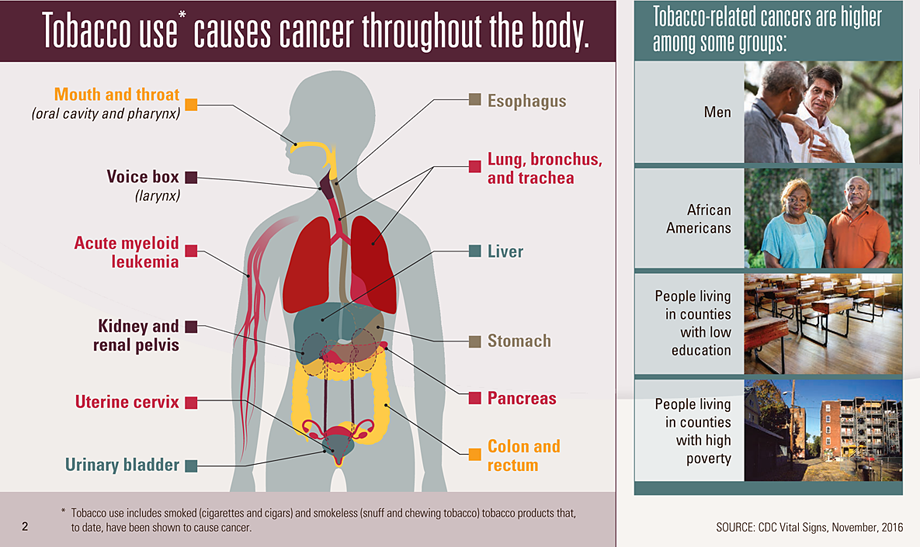
One of the biggest contributors to cancer risk is tobacco use. Smoking is strongly linked to lung cancer as well as cancers of the mouth, throat, pancreas, bladder, and more. Avoiding tobacco in all forms—including cigarettes, cigars, and smokeless products—is one of the most effective ways to prevent cancer.
Adopt a Cancer-Fighting Diet
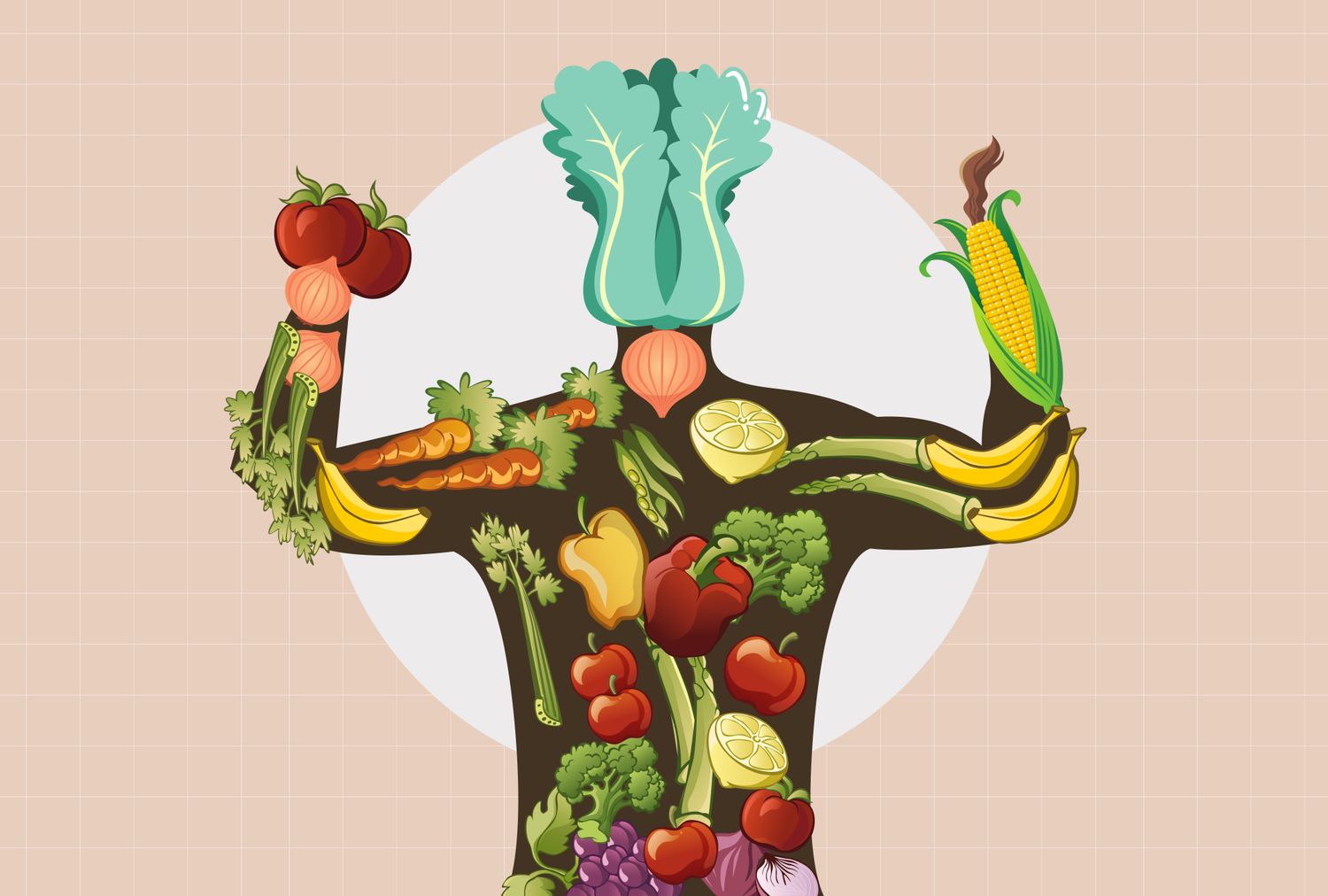
Diet plays a crucial role. Consuming processed foods, excessive red meat, and high-sugar diets has been associated with increased cancer risk. In contrast, a diet rich in fruits, vegetables, whole grains, and lean proteins provides essential nutrients and antioxidants that help protect cells from damage.
:max_bytes(150000):strip_icc()/This-Many-Servings-of-Veggies-a-Day-Can-Reduce-Your-Cancer-Risk.REV-b441371937284eda8f20607ce0a46bb4.jpg)
Stay Physically Active
Physical activity is another key factor. Regular exercise helps maintain a healthy weight, improves immune function, and reduces inflammation—all of which contribute to lower cancer risk. Even moderate activity, such as walking for 30 minutes a day, can make a significant difference.

Limit Alcohol Consumption
Alcohol consumption is linked to several types of cancer, including liver, breast, and colorectal cancer. Limiting or avoiding alcohol intake can substantially reduce this risk.
Protect Against Environmental and Sun Exposure
Exposure to environmental toxins, such as air pollution and harmful chemicals, can increase cancer risk over time. Using protective measures like masks and avoiding prolonged exposure helps mitigate these risks.
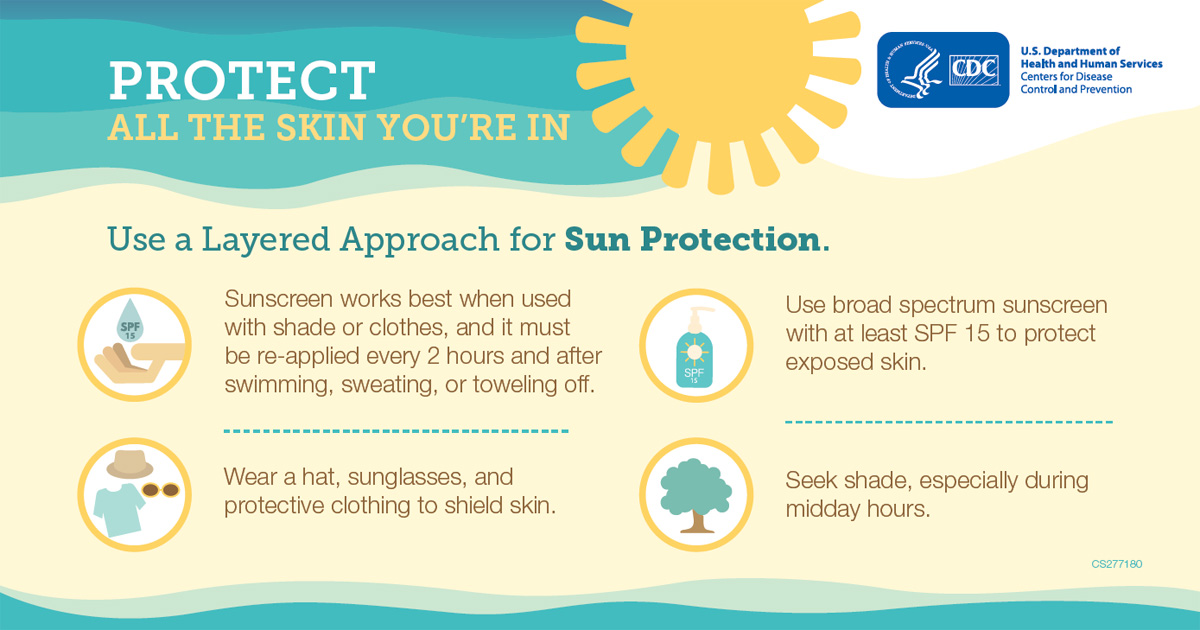
Sun exposure is another important factor. Ultraviolet (UV) radiation from the sun is a leading cause of skin cancer. Using sunscreen, wearing protective clothing, and avoiding peak sun hours (10 a.m. to 4 p.m.) can help prevent damage.
Get Vaccinated for Prevention
Vaccinations can also play a preventive role. Certain infections, such as human papillomavirus (HPV) and hepatitis B, are linked to cancer. Vaccines can significantly reduce the risk associated with these infections.
Small Changes, Big Impact
Ultimately, small lifestyle changes can have a big impact. By adopting healthier habits—quitting tobacco, eating well, staying active, limiting alcohol, protecting your skin, and getting vaccinated—you not only reduce cancer risk but also improve overall well-being and longevity.
Disclaimer: This article is for informational purposes only and is not a substitute for professional medical advice. Consult a healthcare provider for personalized guidance on cancer prevention and risk reduction.