
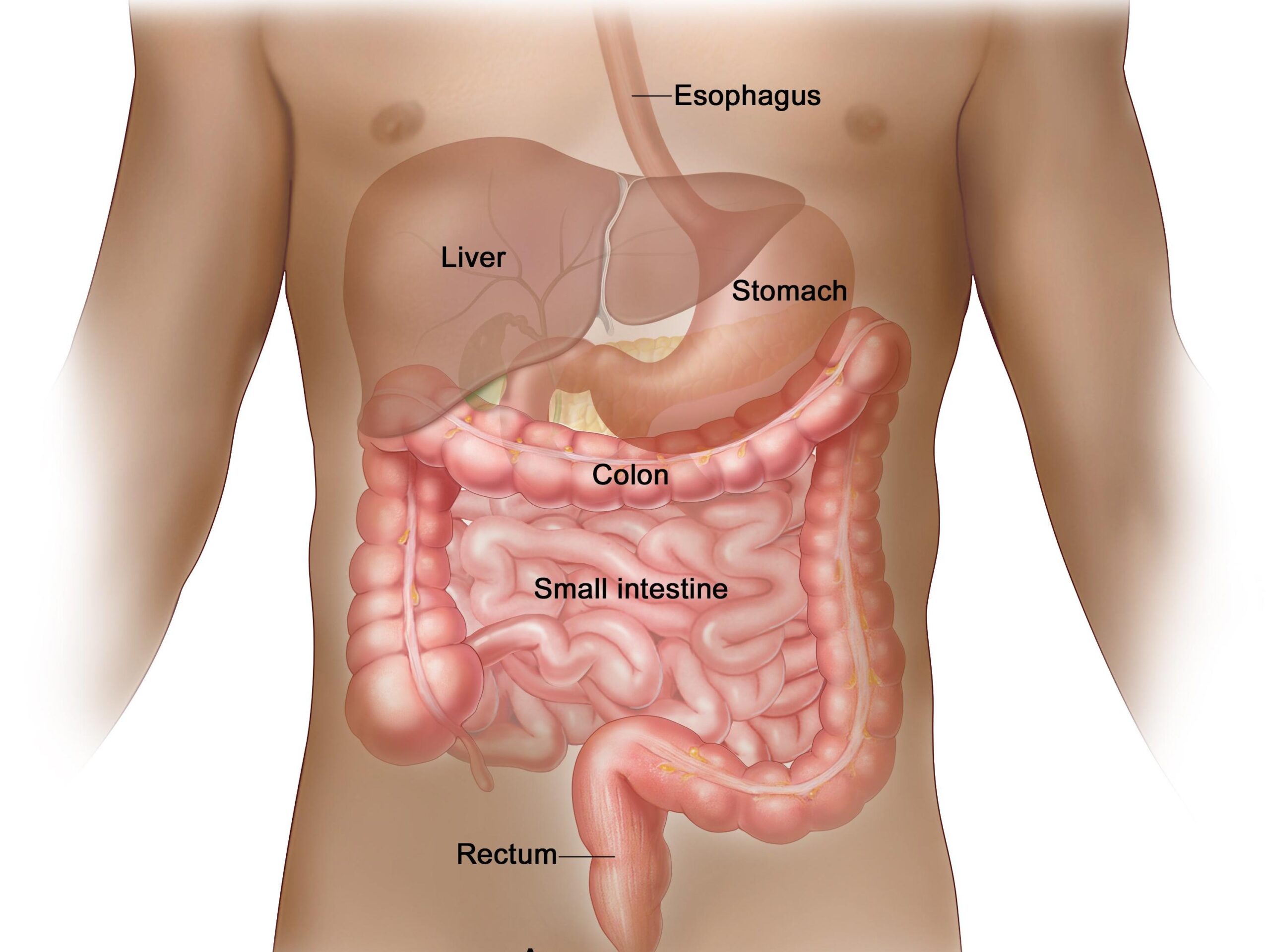
Anal cancer is a type of cancer that forms in the tissues of the anus.
Anus is the end of the colon. This is where stool (solid waste) leaves the body. The anus is formed partly from the body’s outer layer of skin and partly from the intestine. Anus is associated with rectum at the anal canal, which is about 1 to 1½ inches long. This area is controlled by two ring-like sphincters, which contract to hold stool in and relax to allow its passage out of the body.
Anal cancer can start in the lining of the anal canal, called the mucosa, or in the perianal skin, the squamous cells outside the anus that contain hair follicles and sweat glands.
Tumors of the perianal skin that does not involve the anal sphincter is usually treated in the same way as anal cancer, although local therapy (treatment directed at a limited area of skin) may be used for some.
Squamous cell carcinoma is the most common type of anal cancer. In the United States, squamous cell carcinoma is the most common form of anal cancer. Studies show that human papillomavirus (HPV) infection is the main cause of this type of anal cancer.
Another type of anal cancer, called anal adenocarcinomais very rare and is not discussed in this summary.