
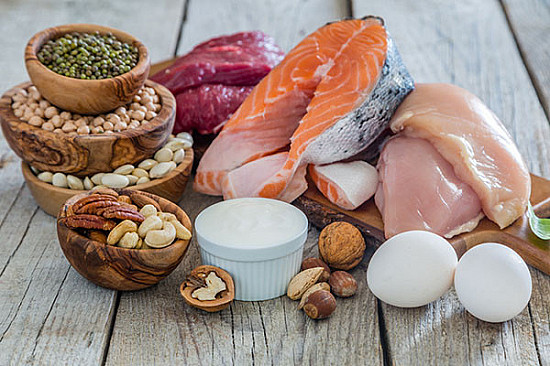
Including protein-rich foods in your diet is essential to maintaining overall health and well-being. But how much protein do you need and what are the best sources of this important macronutrient?
Why do we need protein?
Proteins are the building blocks of the body. They make up bones, cartilage, muscles, blood, skin, enzymes, hormones and vitamins. They are essential for growth and development, repair and build cells and tissues such as muscle, and play an important role in body processes such as blood clotting, fluid balance, and immune response.
Proteins are made of amino acids. There are some amino acids that our body can make on its own. These are called non-essential amino acids. But there are nine amino acids that our body must obtain by consuming foods that contain them. These are called essential amino acids and they are necessary for normal body function.
Which foods are high in protein?
We can get protein from plant or animal sources. Protein in our diet can come from meat, dairy products, nuts, some vegetables and certain grains and beans.
Examples of foods with a high protein content
|
|
|
Food type
|
Examples
|
|
beans, peas and lentils
|
chickpeas, lentils
|
|
nuts and seeds
|
walnuts, pumpkin seeds
|
|
lean meat
|
chicken, turkey
|
|
fish
|
salmon, tuna
|
|
dairy products
|
milk, yogurt
|
|
soy products
|
tofu
|
Try to eat a variety of protein-rich foods to ensure you meet your daily protein needs as well as get the vitamins, minerals and other nutrients needed for optimal health. Proteins that come from animal sources, such as meat, eggs and milk, as well as soy and quinoa, are called complete proteins. This means that they contain all the essential amino acids that the body needs and are protein sources of the highest quality.
You can also get essential amino acids from plant-based foods. However, most plant-based proteins do not contain all the necessary essential amino acids and are therefore called incomplete proteins. If you’re avoiding animal proteins, the best way to ensure you’re consuming a healthy mix of amino acids is to enjoy a variety of plant-based proteins throughout the day.
Food that is special high protein content include:
Lean meat such as chicken, turkey, beef and pork are excellent sources of high-quality protein as well as important nutrients such as iron and zinc. To avoid unhealthy saturated fat, choose lean or low-fat meats, such as lean ground beef, pork loin, or skinless chicken breast.
Fish such as salmon, tuna and mackerel are not only rich in protein, but also contain omega-3 fatty acids, which are beneficial for heart health. Look for seafood options that are lower in methylmercury, such as salmon, anchovies and trout.
Dairy products such as milk, cheese and yoghurt are rich in protein, calcium and other essential nutrients. Greek yogurt is a good option as it is high in protein as well as nutrients such as calcium, vitamins and minerals. Dairy products can be high in saturated fat, so choose low-fat dairy products and limit the amount of cheese you eat.
Beans, peas and lentils include kidney beans, pinto beans, white beans, black beans, lima beans, fava beans, soybeans, chickpeas, black-eyed peas, pigeon peas, split peas, lentils and edamame. These plant-based foods are excellent sources of protein as well as fiber, folate, potassium, iron and zinc.
Nuts and seeds include almonds, hazelnuts, walnuts, peanuts, chia seeds, pumpkin seeds, sunflower seeds and peanut butter. They are not only rich in protein, but also provide healthy fats, vitamins and minerals. Nuts are high in fat and calories, so be aware of portion sizes.
Egg contain all the essential amino acids, making them a complete protein source. Eggs are also a source of vitamins, minerals, healthy fats and antioxidants.
Quinoa is a plant-based protein source that is also a complete protein. One cup of cooked quinoa provides about 8 grams of protein and 5 grams of fiber. Quinoa is also a good source of minerals such as manganese, phosphorus and copper.
Soy products such as tofu and tempeh are good sources of protein, especially for vegetarians and vegans. A quarter cup of tofu provides seven grams of protein.
How much protein should you eat daily?
For the average adult, the Recommended Dietary Allowance (RDA) for protein, or the amount you need to meet your basic nutritional requirements and not get sick, is 0.8 grams of protein per serving. kilogram of body weight or 0.36 grams per pound. For a person weighing 75 kg (165 pounds), this equates to 60 grams of protein per day.
To determine your target daily protein intake, you can multiply your weight in pounds by 0.36 or use this online calculator.
It is important to remember that your daily protein requirement is not a fixed number. For example, your protein needs will fluctuate depending on your physical activity level and whether you are pregnant or breastfeeding.
Should I get my protein from animal or plant sources?
To get enough dietary protein in the healthiest way, nutritional guidelines have moved away from specific amounts of daily protein and toward the importance of eating healthier, protein-rich foods.
It is important to think about protein “pack” when making protein choices because foods that contain protein also include fats, carbohydrates, vitamins, minerals, sugar, sodium, additives and other components.
While meat provides high-quality protein, some meats also provide unhealthy amounts of saturated fat and sodium. If you eat meat, it is important to choose lean meat and poultry. According to the United States Department of Agriculture (USDA), meats high in saturated fat include:
- fatty cuts of beef, pork and lamb
- ground beef (75% to 85% lean)
- processed meats such as bologna, salami, sausages, hot dogs, bacon
- some poultry, such as duck.
A high protein diet consisting predominantly of red meat or processed meat is cause for concern. Research has consistently found that both unprocessed and processed red meat are linked to higher risk of cardiovascular disease and diabetes. One meta-analysis found that replacing red meat with healthy plant proteins reduced the risk of cardiovascular disease.
For optimal health and nutrition, focus on plant-based protein and protein from a variety of sources. The Mediterranean style of eating is an approach that emphasizes healthy protein sources.
Benefits of a high protein diet
While most Americans consume more than enough protein, some people may benefit from a higher intake of protein.
To maintain or gain muscle mass
If you are over 50, you should increase your protein intake to one gram per day. kg of your body weight just to preserve muscle mass, which decreases with age.
If you are trying to gain muscle mass, a higher protein diet can help support muscle repair and growth. When you exercise, the muscle cells break down. Protein from food helps repair the damage and ultimately strengthens the muscles.
To lose weight
The value of high-protein diets for weight loss remains controversial. However, a meta-analysis found that a high-protein diet could lead to weight loss and prevent weight loss after weight loss. The authors note the need for future studies that follow patients for more than a year to gain more insight into this issue.
Other benefits
One study found that eating plant-based protein was associated with lower odds of developing cognitive decline later in life. For every 5% of calories that came from plant protein instead of carbohydrates, researchers observed a 26% lower risk of developing dementia in study participants.
How much protein is too much?
The idea of an upper limit for protein intake is controversial. Some experts believe that the recommended amounts are too low. Others believe that we overconsume protein.
In general, the average person (not a bodybuilder or an elite athlete) does not need high levels of protein and should not exceed 2 grams per day. kilograms; or about 125 grams per day for a 140-pound person.
A main concern with consuming too much protein is an overall imbalance in the diet. Consuming too much protein can lead to insufficient intake of carbohydrates and fat. Maintaining a well-rounded diet that contains a balance of all three macronutrients is important for overall health.
Additionally, if you increase your protein intake without increasing physical activity, you may be consuming too many calories without expending enough, which can result in weight gain.
There are also some evidence that eating a diet with a relatively high protein content can be problematic for people with pre-existing kidney disease. A diet high in animal protein may pose a higher risk of kidney stones.