
About 1.7% of people in the United States will be diagnosed with pancreatic cancer at some point in their lives. Despite being 10. most common type in the United States, pancreatic cancer is the third leading cause of cancer death.
Pancreatic cancer may not cause any signs or symptoms at first, making it difficult to detect early. But research funded by the National Cancer Institute (NCI) at the National Institutes of Health (NIH) can improve detection and treatment.
Tools to find pancreatic cancer faster
There is no routine screening test to detect pancreatic cancer early, but researchers at the City of Hope Duarte Cancer Center in California tried to change that with a simple blood test. In a study of about 1,000 people, researchers analyzed a small sample of genetic material taken from tumors and were able to detect early and late stage pancreatic cancer. While more studies are needed, researchers say this may help people who are already at high risk for pancreatic cancer.
Regular imaging tests may also benefit high-risk patients, according to a long-term research study at the Johns Hopkins Kimmel Cancer Center’s Sol Goldman Pancreatic Cancer Research Center. The study included about 1,700 high-risk people, and researchers focused on 26 participants who had been diagnosed with pancreatic cancer.
Imaging tests, such as MRIs and ultrasoundwas used to look inside the pancreas and other parts of the body. Pancreatic monitoring with regular imaging tests improved the likelihood of early cancer diagnosis and increased life expectancy compared to live those who were not screened.
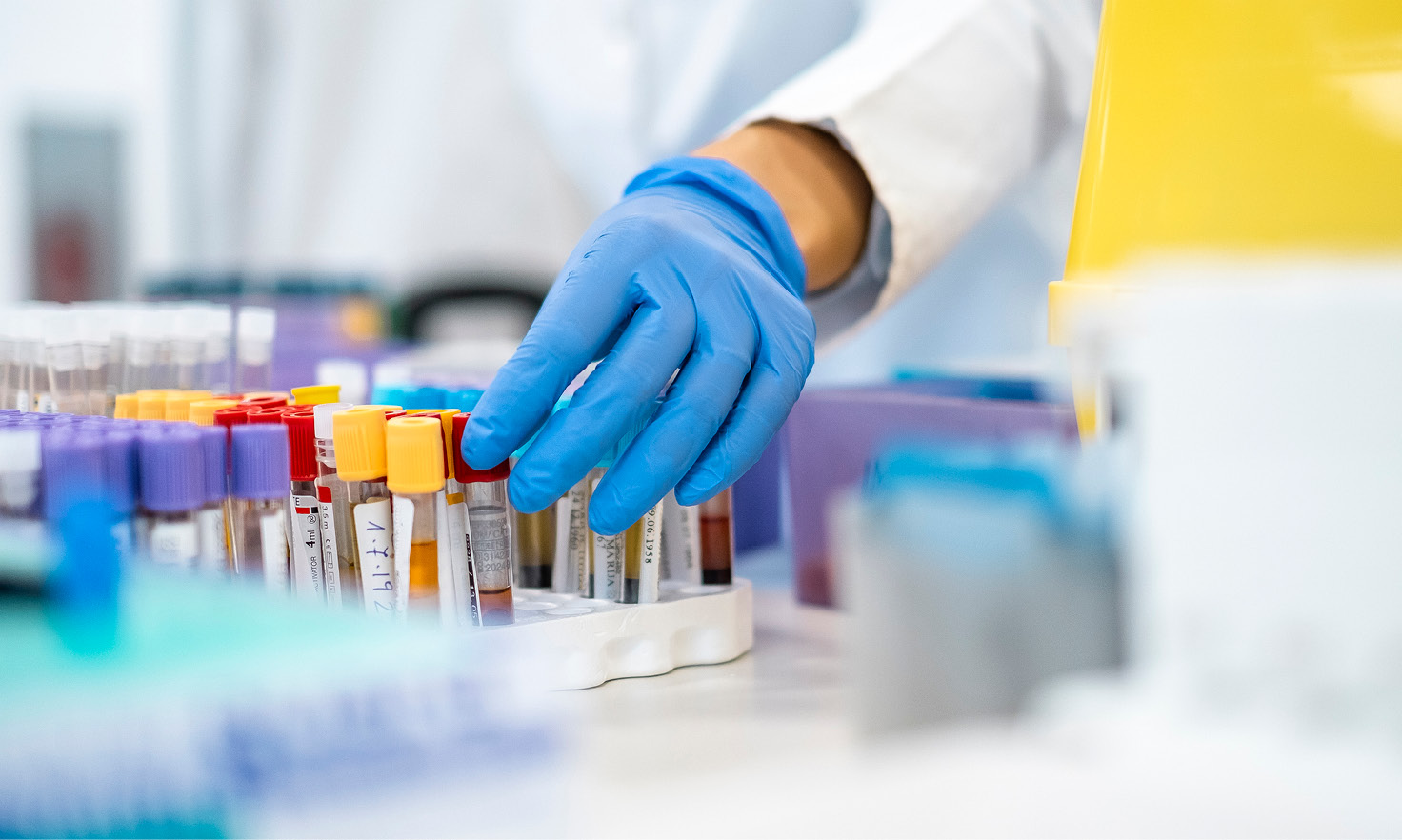
Researchers are trying to better screen patients for pancreatic cancer with a new blood test.
Treatment options with new and existing drugs
Chemotherapy is a common treatment for early-stage pancreatic cancer, but it can cause serious side effects. In 2023, researchers found a promising new class of drugs, called KRAS inhibitors, that shrank pancreatic tumors caused by a gene mutation or stopped their growth altogether. KRAS inhibitors have been used in many other cancer studies. However, these drugs do not work in all patients when used alone. Researchers now believe that giving chemotherapy and KRAS inhibitors together may be more effective. A new study in mice showed that tumors grew and spread more slowly when the medicine was used together compared to when each drug was used alone. This method could allow doctors to give patients lower doses of chemotherapy.
Ongoing investigations
In rare cases a new one diabetes diagnosis may be an early sign of pancreatic cancer. About 1 in 4 people diagnosed with pancreatic cancer were first diagnosed with diabetes. And about 1 in 100 people with new-onset diabetes will be diagnosed with pancreatic cancer within 3 years of their diabetes diagnosis.
To find the cases, this study assesses a large cohort of people with newly diagnosed diabetes. Participants will give blood samples over three years, and researchers will look for changes in the blood of participants who develop pancreatic cancer during the study. Their goal is to develop a blood test that can identify which people with newly diagnosed diabetes should be screened for pancreatic cancer.
Be part of the research of the future
Learn more about new research into pancreatic cancer NCI website. Clinical trials are underway for early and late cancers. Learn more about pancreatic clinical trials here. Scientific advances are made every year thanks to studies like these!