Blog post
Learn more about the connection between pneumonia and acute kidney injury
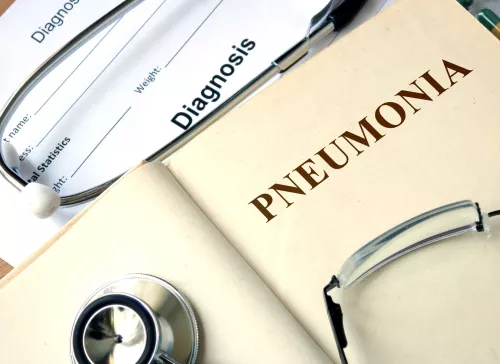
Pneumonia is a serious lung infection that can lead to hospitalization, especially in people with weakened immune systems and older adults. While the respiratory symptoms of pneumonia are well known (including cough with phlegm or pus, fever, chills and difficulty breathing), there may be a significant impact on other organs, especially the kidneys. In severe pneumonia, the body can face inflammation and stress, which can lead to acute kidney injury (AKI).
In AKI, the kidneys suddenly fail to function and are unable to filter waste and balance fluids as well. People with pneumonia may have several risk factors for AKI, such as sepsis (a life-threatening infection that spreads throughout the body) and low blood pressure. Even certain antibiotics can adversely affect kidney function. AKI should be treated to prevent any permanent kidney damage and may improve within a few days. Hospitalized patients with pneumonia who develop AKI may be at higher risk of complications and longer recovery time.
During periods of illness, such as pneumonia, it is important to closely monitor kidney function and hydration status to manage both pneumonia and the impact on kidney function. Identifying kidney damage early can improve outcomes and reduce the risk of long-term damage, such as chronic kidney diseaseor kidney failure.
Treatment depends on the severity, as some people may need to be treated in hospital. Patients may receive medications to control blood pressure and electrolytes or treatments to remove additional fluids. If AKI is severe and the kidneys stop working, dialysis may be needed for a short period of time. Dialysis is a treatment that uses a machine to clean waste from the blood while the kidneys are recovering.
Signs and symptoms of a severe AKI may include:
- Urination (peeing) less often
- Swelling in your legs, ankles or feet
- Feeling weak and tired
- Feel like you can’t catch your breath
- Feeling confused
- Gets a stomach ache
- Feeling pain or pressure in the chest
- Seizures or coma (in severe cases of AKI)