
Adapted from Pain relief without drugs or surgeryMedical Editor: Melissa L. Colbert, MD, Instructor in Physical Medicine and Rehabilitation, Harvard Medical School; Interim Medical Director, Spaulding Rehabilitation Outpatient Clinic.
For certain types of injuries, applying cold or heat can help relieve pain. There isn’t an abundance of scientific data to support the use of cold and heat, but these two widely used methods, if used safely, can complement other pain relief treatments.
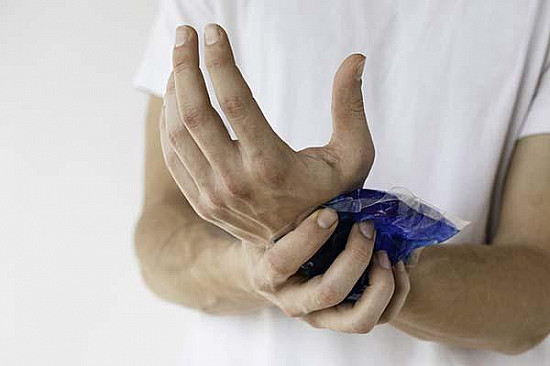
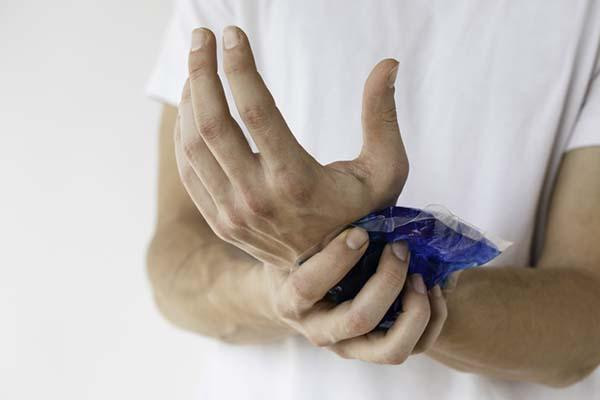
Cold, in the form of cold packs or an ice massage (rubbing a painful area with an ice cube), is effective in the hours immediately following an injury. Beyond pain reliefapplying cold can reduce inflammation and muscle spasms and can help speed recovery after an injury. Cold is also often recommended for back pain and other forms of chronic pain, and many people find it helpful.
After the swelling and redness subsides—or as needed, in cases of chronic pain—heat may be more helpful. Moist heat may raise pain thresholds and reduce muscle spasms in people with osteoarthritis, according to limited data. And very small studies suggest that heat may be helpful in the early treatment of tendinitis. Other trials suggest that heat packs can reduce back pain and disability.
How to use cold to relieve pain
Standard therapy for injuries such as a sprain or strain—an injury where you’ve stretched or torn a ligament, tendon, or muscle—is the PRICE technique, which stands for protection, rest, ice, compression, and elevation. What this means is that you protect and rest the injured part, apply a cold pack to it, compress the injured area with a bandage if possible and elevate it to reduce swelling. Cold packs are also used to relieve headaches, foot pain, and long-term conditions such as tendinitis and some types of back pain. Colds can also reduce swelling from inflamed joints in some forms of arthritis.
If you have a sudden sprain or tribeApplying cold can reduce swelling by slowing cell activity, constricting blood vessels, and blocking the release of chemicals known as histamines. The application of cold can also reduce pain by numbing the area. An ice massage combines these benefits with the pain-reducing effects of gentle pressure on the injured tissue.
In cases of chronic pain, proactive use appears to be the most effective icing strategy. If you are about to participate in an activity that may cause a flare-up, try applying cold before the activity as well as afterwards. This practice creates a temporary distracting stimulus (cold) that intercepts pain signals before they are relayed to the brain, helping to retrain the way the brain perceives chronic pain. For some people, the effects of cold application can last for minutes, while for others it can last for hours.
To apply cold, use a store-bought cold pack stored in the freezer, a bag of frozen vegetables, or ice cubes in a sealed plastic bag. Do not apply the cold pack or ice directly to the skin; wrap it in a towel or pillowcase first to avoid tissue damage. Apply cold for no more than 20 minutes at a time, four to eight times a day for the first two days after an injury. Once the acute phase of the injury has passed – usually within a few days – you can apply heat.
How to use heat to relieve pain
As many people with arthritis know, applying a warm, moist towel to a sore joint or taking a warm shower or bath can temporarily relieve the pain. Heat raises your pain threshold and relaxes the muscles. The goal of most heat therapies is to increase tissue temperature by 9° to 12° F. Your heat source should not be uncomfortably hot: exposure to temperatures above 113° F can be painful, and above 122° F can burn your skin.
There are several ways to apply heat. Heat packs, heating pads, hot whirlpool baths, and heat lamps, for example, can heat the skin, muscles, and other tissues to a depth of about an inch below the skin’s surface. Deep heat treatments performed by a physical therapist use other forms of energy, most often ultrasound but sometimes shortwave or microwave electromagnetic energy, to generate heat in tissue about two inches below the surface.
Moist compresses, such as a warm damp towel, are more effective at transferring heat to the body than dry electric heating pads. At home, put a damp towel in a plastic bag to make the heat last longer. You can also buy gel packs that can be heated in the microwave. Be careful not to make them too hot. The gel packs are practical and easy to use, and they can also function as cold packs if you put them in the freezer. Whether you use a hot or cold pack, do not place it directly on your skin. Wrap it in a towel or pillowcase.
Do not use heat on a swollen, red or hot area, or an injury you have just sustained, as this can cause more inflammation.