Overview
Antifungals are medications that treat fungal diseases by killing or stopping the growth of fungi in humans, animals and plants. Antifungals are one type antimicrobial.
Antifungal agents are available in different forms:
- Topical, such as creams, ointments, shampoos or powders
- Oral, such as pills or liquids
- Intravenous (IV)
Some types of topical antifungals are sold in pharmacies over the counter and should be taken exactly as directed on their labels. Prescription antifungal agents should be used as directed by a healthcare provider. If the medicine causes serious side effects or does not work, talk to a doctor.
Long-term use and side effects
People often experience the effects of antifungal medications differently than other antimicrobials. They may need to take them for a long time, sometimes months or years, to treat a yeast infection. Antifungal medications also tend to cause more and worse side effects in more people than other antimicrobials.
Common side effects include:
- Abdominal pain, nausea, vomiting and diarrhea
- Headache
- Skin rash or irritation
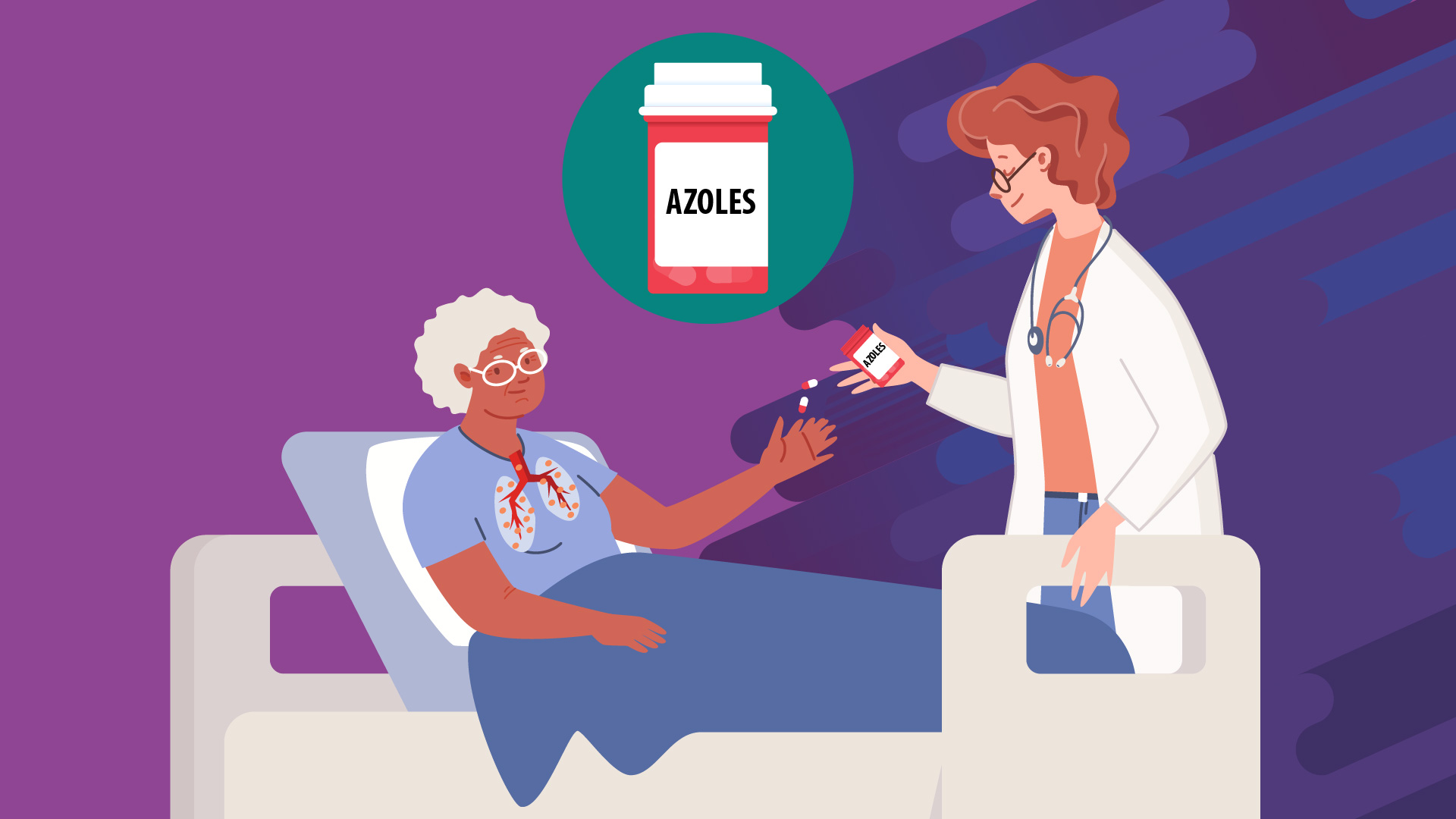
More serious side effects include hepatotoxicity with certain azoles and kidney damage with amphotericin B.
Appropriate use
Antifungals should always be taken as directed by a healthcare provider or product label instructions. Improper use can delay or prevent treatment of the infection, increase side effects or contribute to the development of antimicrobial resistance.
Always take the prescribed amount of antifungal medicine. It is important to continue taking the medication for as long as you were instructed, even if you feel better. If an antifungal causes serious side effects or symptoms do not improve, talk to a doctor.

Topical antifungals and corticosteroids
If you buy a topical antifungal over the counter, choose a product that don’t do contains a corticosteroid or steroid. Corticosteroids and steroids are often combined in topical antifungal agents and can cause side effects and worsen fungal skin infections.
This information is not widely known. Talk to your doctor if you are concerned about a prescribed topical antifungal.
Therapeutic drug monitoring
Sometimes it is challenging to find the dose (amount) of antifungals that can treat an infection and minimize side effects. Therapeutic Drug Monitoring (TDM) is a practice healthcare providers use to help find and adjust doses. The nurse monitors the level of drug in the patient’s bloodstream, their course of treatment and side effects at certain times.
The cells in fungi are similar to the cells in the human body. Medicines that harm fungal cells can also harm humans. At the same time, fungi can cause serious infections in all parts of the body, including the brain and bloodstream.