
Have you ever felt dizzy, light-headed, or as if space were spinning around you? These can be bothersome sensations. If the sensation occurs frequently, it may be a sign of a balance problem.
Many elderly people experience problems with balance and dizziness. Problems can be caused by certain medications, balance disorders or other medical conditions. Balance problems are one of the reasons older people fall. Maintain a good balance as you grow older and learn about fall prevention can help you get around, stay independent and carry out daily activities.
Causes of balance problems
People are more likely to have balance problems as they get older. In some cases, you can help reduce your risk of certain balance problems, but problems can often start suddenly and for no apparent reason.
Balance problems can be caused by certain medications or medical conditions. The list below covers some common causes of balance problems.
- Medicine. Ask your doctor if you notice balance problems while taking certain medicines. Ask if other medications can be used instead, if the dose can be safely reduced, or if there are other ways to reduce unwanted side effects.
- Problems with the inner ear. A part of the inner ear called the labyrinth is responsible for balance. When the labyrinth becomes inflamed, a condition called labyrinthitis occurs, causing dizziness and imbalance. Certain ear diseases and infections can lead to labyrinthitis.
- Alcohol. Alcohol in the blood can also cause dizziness and balance problems by affecting how the inner ear works.
- Other medical conditions. Certain conditions, such as diabetes, heart disease, strokeor problems with your vision, thyroid, nerves or blood vessels can cause dizziness and other balance problems.
Visit the NIH National Institute on Deafness and Other Communication Disorders website for more information on specific balance disorders.
Symptoms of balance disorders
If you have a balance disorder, you may experience symptoms such as:
- Dizziness or vertigo (a spinning sensation)
- Falling or feeling like you are going to fall
- Dizziness when you try to walk
- Stiffness, fainting, or a floating sensation
- Blurred vision
- Confusion or disorientation
Other symptoms may include nausea and vomiting; diarrhea; changes in heart rate and blood pressure and feelings of fear, anxiety or panic. Symptoms may come and go over short periods or last for a long time and can lead to fatigue and depression.
Treatments for balance problems and disorders
Exercises that involve moving the head and body in specific ways can help treat some balance disorders. Patient-specific exercises are developed by a physical therapist or other professional who understands balance and its connection with other systems in the body.
Balance problems due to high blood pressure can be administered by eat less salt (sodium), maintain a healthy weightand coach. Balance problems due to low blood pressure can be managed by drinking plenty of fluids, such as water; avoid alcohol; and be careful about your body’s posture and movement, such as never standing up too quickly. Consult your doctor about making changes to your diet or activity level.
Dealing with a balance disorder
Some people with a balance disorder may not be able to completely relieve their vertigo and will need to find ways to cope. A vestibular rehabilitation therapist can help develop an individual treatment plan.
Chronic balance problems can affect all aspects of your life, including your relationships, work performance, and your ability to perform daily activities. Support groups provide an opportunity to learn from other people with similar experiences and challenges.
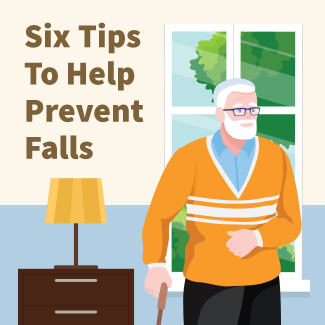
If you have problems with your balance, talk to your doctor about whether it is safe to drive and about ways to lower the risk of falling during daily activities such as going up or down stairs, using the bathroom or exercising. To reduce your risk of injury from vertigo, do not walk in the dark. Avoid high heels and instead wear non-slip shoes with rubber soles and low heels. Do not walk on stairs or floors in socks or in shoes and slippers with smooth soles. If necessary, use a cane or walker. Make changes to add security features at home and in the workplace, such as adding handrails.
You may also be interested in
For more information on balance issues
This content is provided by the NIH National Institute on Aging (NIA). NIA researchers and other experts review this content to ensure it is accurate and up-to-date.
Content reviewed: