Protozoa
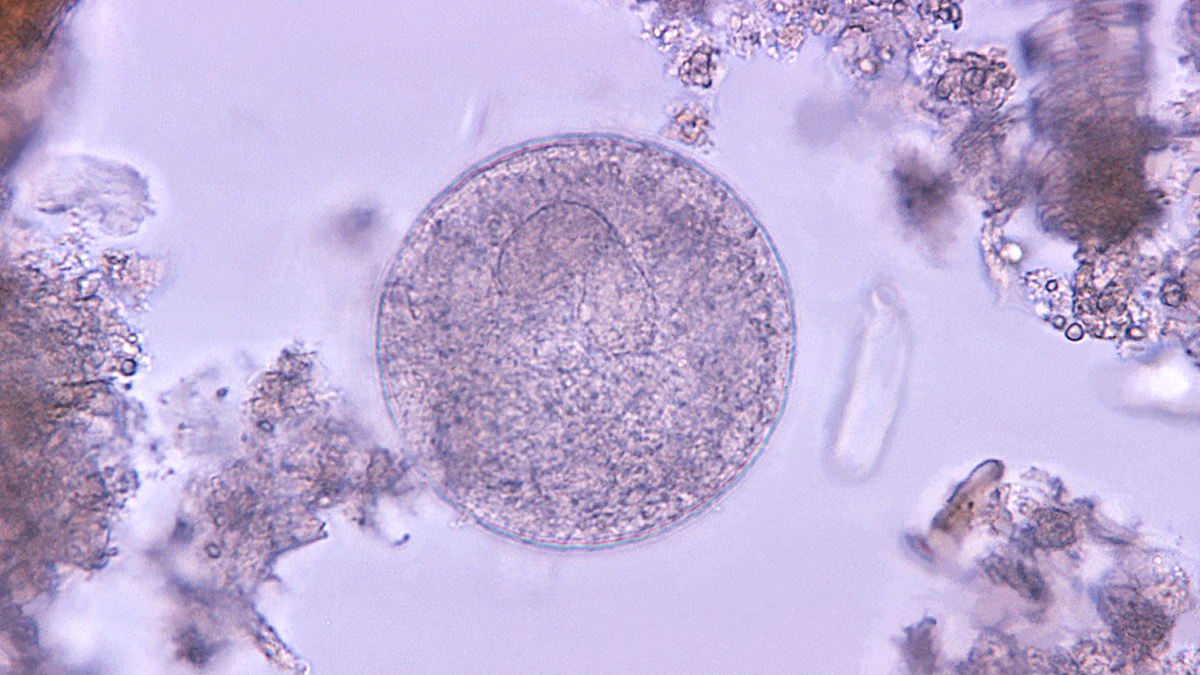
Protozoa are microscopic single-celled organisms that can be free-living or parasitic in nature. They are able to multiply in humans, which contributes to their survival and also allows serious infections to develop from just a single organism. Transmission of protozoa living in one person’s gut to another person typically occurs through a fecal-oral route (eg, contaminated food or water or person-to-person contact). Protozoa that live in the blood or tissues of humans are transmitted to other humans by an arthropod vector (for example, through the bite of a mosquito or sand fly).
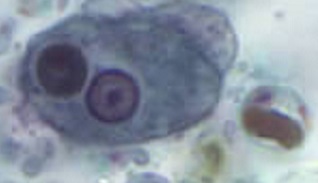
The protozoa that are infectious to humans can be classified into four groups based on their mode of movement:
Helminths
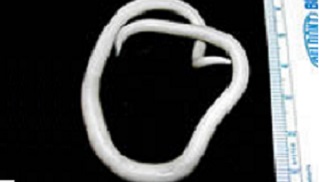
Helminths are large, multicellular organisms that are generally visible to the naked eye in their adult stages. Like protozoa, helminths can be either free-living or parasitic in nature. In their adult form, helminths cannot reproduce in humans. There are three main groups of helminths (derived from the Greek word for worms) that are human parasites:
- Flatworms (platyhelminths) – these include trematodes (flukes) and cestodes (tapeworms).
- Thorn-headed worms (acanthocephalins) – the adult forms of these worms are found in the gastrointestinal tract. Acanthocephala are thought to be intermediate between cestodes and nematodes.
- Roundworms (nematodes) – the adult forms of these worms can reside in the gastrointestinal tract, blood, lymphatic system or subcutaneous tissues. Alternatively, the immature (larval) stages can cause disease through their infection of various body tissues. Some consider helminths to also include the segmented worms (annelids) – the only medically important ones are the leeches. Note that these organisms are not typically considered parasites.
Ectoparasites
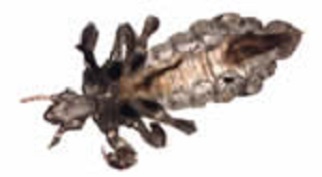
Although the term ectoparasites can broadly include blood-sucking arthropods such as mosquitoes (because they depend on a blood meal from a human host for their survival), this term is generally used more narrowly to refer to organisms such as ticks, fleas, lice, and mites that attach to or burrow into the skin and remain there for a period of a week (e.g., for a relatively long period of several months). Arthropods are important in causing disease in their own right, but are even more important as vectors or transmitters of many different pathogens that in turn cause enormous morbidity and mortality from the diseases they cause.
Parasitic infections
Parasitic infections cause an enormous burden of disease in both the tropics and subtropics as well as in more temperate climates. Of all parasitic diseases, malaria causes the most deaths worldwide. Malaria kills more than 400,000 people each year, most of them young children in sub-Saharan Africa.
The Neglected tropical diseases (NTDs), which have suffered from a lack of attention from the public health community, include parasitic diseases such as lymphatic filariasis, onchocerciasisand Guinea worm disease. The NTDs affect more than 1 billion people worldwide, mainly in rural areas of low-income countries. These diseases burden endemic populations, including lost ability to attend school or work, stunt child growth, impair cognitive skills and development in young children, and the severe economic burden imposed on entire countries.
However, parasitic infections also affect people living in developed countries, including the United States.