We’ve come a long way in understanding the mental health impact of welcoming a new baby into the world. But until very recently, most of our attention has tilted toward the parent who gives birth, possibly overlooking the one who provides love and essential support.
While hormonal and physical changes can set pregnant parents up for mood swings that can lead to depression, supportive parents are also at risk. In fact, new research shows that supportive parents face nearly the same risks of
perinatal depression or
postpartum depression like their pregnant partners. Parents of surrogate children may also experience perinatal depression, as can adoptive parents.
Here’s what all parents need to know about depression risks during pregnancy and after parenting, and how to care for each other along the way.
The New Parenthood Marathon
If you wait right now, you may find yourself struggling with new levels of physical, social and mental stress. Healthy sleepregular meals and exercise all become top priorities as you prepare for birth and the challenges of caring for a newborn.
Schedules can feel stretched to the max as you both balance work and household demands medical appointmentschildbirth classes and much more. In addition to these demands, you may feel extraordinary pressure to feel happy all the time. This is not only unfair and unrealistic, but it can make you feel even worse if your mood sinks lower every day.
New perspectives on postpartum depression
This happy time can be a defining moment for you and your partner. Maybe you’ve never been happier together – but you’ve never faced a transition like this either. Perhaps that’s why new research studies reveal that spouses and partners can develop depression just as easily as their pregnant counterparts.
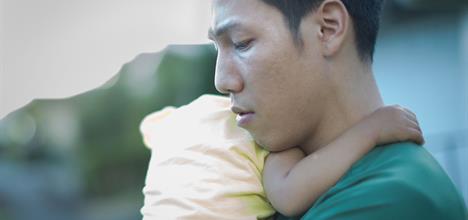
For example, a broad look across research studies shows that between 7% and 9% of new fathers develop postpartum depression. Researchers say depressed fathers are often hard on themselves and suffer deep doubts about their parenting skills. Symptoms such as irritability, anger and aggression are common. Depressed fathers may fail to offer adequate support to birth partners and even discourage them from breastfeeding.
Although many research studies focus on fathers, partners of all genders can develop depression in the prenatal or postnatal period. No parent is immune to the extreme pressure and heightened expectations that surround couples when they welcome a new child. This is why all partners need to be aware of the warning signs that point to depression.
Signs that your partner may be depressed
Whether it begins during pregnancy or after your baby arrives, depression is different from “baby blues,” which can cause tiredness and sadness after the birth of a child, but generally disappear within a few days.
Perinatal or postnatal depression is a more serious condition that lasts 2 weeks or more. Symptoms of depression in new parents may include:
-
Deep feelings of sadness, worry or anxiety
-
Persistent fear for the child’s health and safety
-
Low energy level
-
Rapid mood swings, with or without bursts of crying
-
Anger and irritability
-
Brain fog that makes decision-making particularly difficult
-
Trouble falling asleep or staying asleep
-
Major changes in eating habits
-
Guilt, shame and doubt about your parenting skills
-
Difficulty bonding with your newborn
If you or your partner are struggling with one or more of these symptoms, it’s time to talk to your doctor.
Why some parents shy away from getting help
As painful as these symptoms can be, many new parents do not seek the care and treatment they need. Many feel they are just too busy to prioritize their own health. Lack of sleep and the pressure of caring for a helpless infant can make it difficult to think clearly about their own needs and reach out to sources of relief.
Spouses and partners may feel particularly reluctant to seek help. Many believe that the parent who gave birth is the ONLY one who needs loving care. As “master caregivers” for both baby and birth parent, they may feel they have no choice but to push through. Ignoring their own needs can make matters worse, as depression is a real health problem that does not go away on its own.
How a parent’s depression can affect a newborn child
When parents live with untreated depression, children are more likely to face their own struggles later. Babies need coziness, smiles and healthy routines to grow and thrive. It’s their brains develops at an astonishing pace, laying the foundation for learning and the secure family attachment that will affect their health and happiness throughout their lives.
Knowing that your baby is dependent on you can serve as a powerful motivator to seek help for depression. Whether you are worried about yourself or your partner, now is the time to see your doctor if depression symptoms are making life difficult for you.
Teamwork for family-based healing
The American Academy of Pediatrics recommends that all birth parents get shielded for depression during pregnancy and periodically after the birth of their child. Most doctors now screen both partners using the same tools and evaluation scales, knowing that early diagnosis and treatment will benefit the whole family.
Depression is a brain-based condition that can be treated with tools such as:
-
Social support
Building a network of people who can help you work through stress can improve well-being. Organizations such as
Postpartum Support International offers online support groups and specific information about resources by state. -
Therapy
Caregivers can talk to a therapist, psychologist, or social worker to learn strategies for changing how depression makes you think, feel, and act. Examples of evidence-based therapies for caregivers include Cognitive behavioral therapy (CBT) and Interpersonal Psychotherapy (IPT). There are also types of therapy that treat the parents or caregivers and the infant or child at the same time.
-
Medicine
Medicines can also be used, although most However, most people with postpartum depression do not need medication.
In most cases, a mixed approach works best.
Healthy basics
Good food and moderate exercise also help the body reset itself. And sleep plays a vital role in recovering from depression, so parents are encouraged to work together to ensure they both get enough rest. Saying “yes” to friends and family who offer to babysit while you catch up on sleep is a healthy first step. Remember that too breastfeeding is a protective factor against depression.
Points to remember
- Any parent can become depressed when expecting or caring for a new baby. Birth parents and their partners should have equal access to the care and support they need to recover.
- If you are thinking of harming yourself or your baby, call immediately National Suicide Prevention Lifeline at 1-800-273-8255 or 9-1-1. Don’t wait, because these thoughts are a sign that you need specialized help right now.
- The National Maternal Mental Health Hotline is available 24/7 by calling 1-833-943-5746. And for non-emergency resources and support, contact Postpartum Support International. Call or text “Help” to 1-800-944-4773.
More information
The information on this site should not be used as a substitute for medical care and advice from your pediatrician. There may be variations in treatment that your pediatrician may recommend based on individual facts and circumstances.