
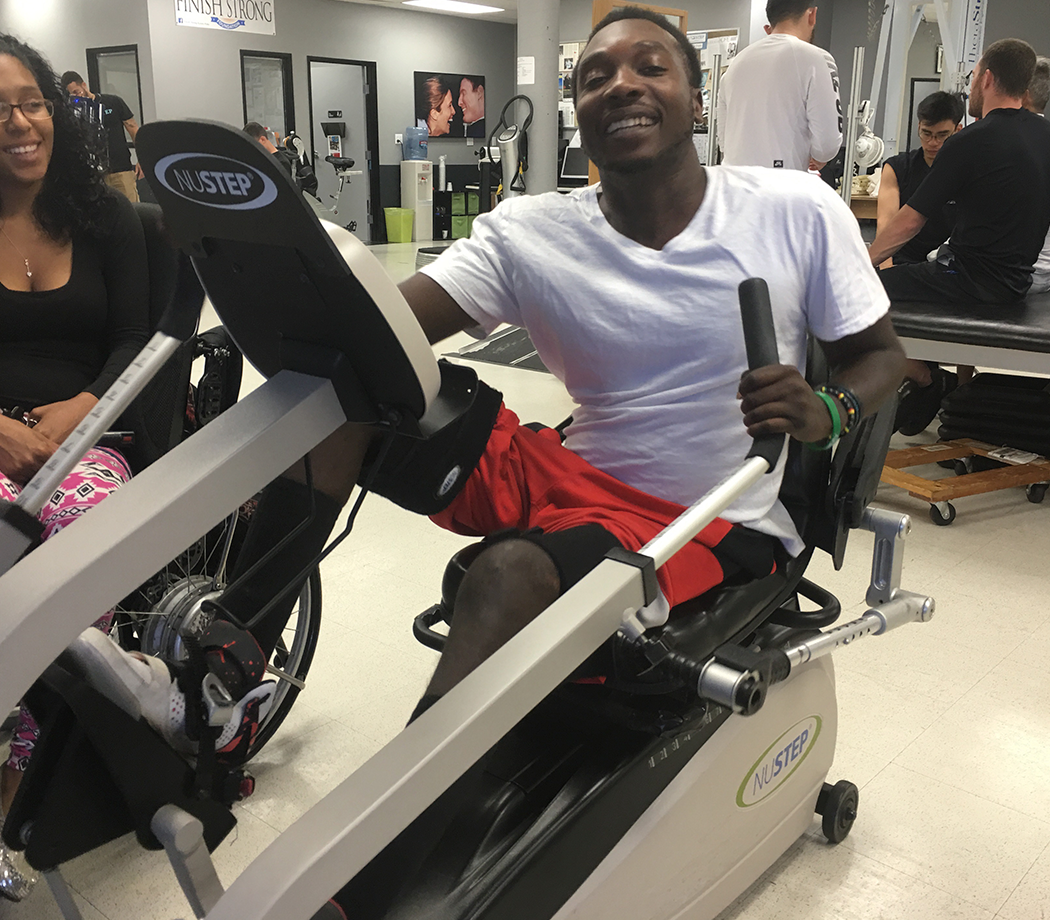
Once a person has stabilized after a spinal cord injury, they will go to a specialized hospital called a rehabilitation center.
While the closest facility may be the most convenient and may offer many benefits in terms of support from family and friends, it may not offer the level of service needed in a complex injury or illness.
It is very important to find the most appropriate rehabilitation center in order to receive tailored spinal cord injury care that will facilitate maximum recovery.
Some of the most important questions to ask when choosing a rehab center include:
- Does the institution have experience with the particular diagnosis or condition?
- How many patients with the specific diagnosis or condition does the facility see per year?
- How far is the patient willing to travel or be away from family?
- Does the facility have ground-breaking treatments?
- Is the facility age appropriate?
- What is the relationship between staff and patient?
- Is the facility accredited—that is, does it meet professional standards of care for your specific needs?
Below are a few resources you can refer to when locating an accredited facility.
System Centers for Spinal Cord Injury Model
National Institute on Disability, Independent Living and Rehabilitation Research (NIDILRR) funds 14 System Centers for Spinal Cord Injury Model in the United States
SCI Model System Centers are national leaders in medical research and patient care, providing comprehensive services from the scene of injury to rehabilitation and re-entry into full community life.
These facilities are currently located in Alabama, California, Colorado, Florida, Georgia, Illinois, Kentucky, Massachusetts, Michigan, New Jersey, Pennsylvania and Washington.
Each center contributes to SCI Model Systems Data Centerengages in independent and collaborative research and provides information and resources to people with SCI, their family and caregivers, health professionals and the general public.
Homepage: www.msktc.org
Phone: 206-685-4181
Commission on Accreditation of Rehabilitation Facilities (CARF)
Commission on Accreditation of Rehabilitation Facilities (CARF) is another resource for locating accredited rehabilitation facilities. To be awarded CARF accreditation, a facility must pass an in-depth review of its services.
There is a difference between a general CARF accreditation and one specific to spinal cord injury, so be sure to request a list of spinal cord injury accredited centers using the contact information below.
Homepage: www.carf.org
Phone: 888-281-6531 (toll-free)
Pediatric Rehabilitation Centers
While your child’s age will play a key role in determining which rehab centers are best, there are a number of excellent programs tailored for pediatric patients. Remember that as a parent ask questions and refer to resources.
- Kosair Charities Center for Pediatric NeuroRecovery at the University of Louisville provides activity-based therapies and conducts translational research. With an expert interdisciplinary team, they are committed to meeting the dynamic challenges of growth and development from childhood to adolescence.
- Shriners Hospital for Children was the first health system in the nation to develop spinal cord injury rehabilitation centers designed specifically for children. Their groundbreaking research has led to innovative treatment techniques that provide care that helps children live full, active and healthy lives.
Kennedy Krieger Pediatric Rehabilitation Unit supports comprehensive and interdisciplinary treatment, evaluation and follow-up for patients with impaired function due to a number of different causes such as brain injury and spinal cord injury.
Get to know your rehabilitation team
Another aspect of good rehabilitation is the breadth and quality of the professional staff on hand. Among the professions you can expect to find on a rehabilitation team:
Physiotherapists
A physiatrist is a doctor specializing in physical medicine and rehabilitation. Physiatrists treat a wide range of problems, from sore shoulders to spinal cord injuries, and treat both acute and chronic pain and disorders in the musculoskeletal system.
Physiatrists coordinate the long-term rehabilitation process for patients with spinal cord injuries, cancer, stroke or other neurological disorders, brain injuries, amputations and multiple sclerosis.
Rehab nurse
Nurses with specialized training in rehabilitative and restorative principles work with the rest of the rehabilitation team to solve problems and manage complex medical issues.
Rehabilitation nurses are experts in bladder, bowel, nutrition, pain, skin integrity, breathing, self-care, coordination of medical regimens, and related issues. They provide ongoing patient and family education, set goals for independence, and establish care plans to maintain optimal wellness.
Rehabilitation nurses begin working with individuals and their families shortly after the onset of an injury or chronic illness, and they continue to provide support after the individual returns to home, work, or school.
Occupational therapy
An occupational therapist (OT) is skilled in helping individuals learn or relearn the daily activities they need to achieve maximum independence. OTs offer treatment programs to help with bathing, dressing, preparing a meal, cleaning, engaging in arts and crafts, or gardening. They make recommendations and offer training with adaptive equipment to replace lost function.
OTs also evaluate home and work environments and make recommendations for adaptations. The occupational therapist also guides family members and relatives in safe and effective methods of caring for people. In addition, they go beyond working to improve physical skills by focusing on the community outside the hospital.
Physiotherapy
Physiotherapists (PT) treat functional impairments as a result of motor and sensory impairments. Their goals are to help people increase strength and endurance, improve coordination, reduce spasticity, maintain muscles in paralyzed limbs, protect the skin from pressure ulcers, and gain greater control over bladder and bowel function.
PTs also teach techniques for using assistive devices such as wheelchairs, canes, or braces. In addition to “hands-on” exercises and treatments, physiotherapists also educate people to take care of themselves.
PTs may also work with joints and secure their range of motion and use methods such as ultrasound, heat packs, and ice.
Other therapists you should find in the rehab unit include:
- Recreational therapists help people discover the wide range of recreational opportunities available in their communities.
- Occupational therapists help people assess their job skills and work with state vocational rehabilitation or other agencies to get equipment, training and placement.
- Many rehabilitation facilities have seating and positioning experts to help people choose the best wheelchair, cushion and positioning equipment.
- Most facilities have rehab psychologists to help people with the often dramatic life changes that follow illness or adverse experiences.
- Sex and family counseling is an integral part of most rehabilitation programs to help patients better understand sexual function, family planning, etc.
Resources
If you are looking for more information or have a specific question, our Information specialists are available weekdays weekdays, Monday through Friday, toll-free at 800-539-7309 from 9:00 a.m. to 8 p.m. ET.
In addition, the Reeve Foundation maintains a fact sheet with additional resources from trusted Reeve Foundation sources. Check out our stock of fact sheets on hundreds of topics ranging from government resources to secondary complications of paralysis.