Type 2 diabetes and people with disabilities
About 1 in 6 people with disabilities (16.2%) in the United States in 2020 had been diagnosed with diabetes, compared to 1 in 14 people without disabilities (7.5%). Differences are also observed across different states, races/ethnicities, and age groups. For example, diabetes is more common among people with disabilities living in Mississippi (about 1 in 5 or 18.8%) compared to those living in South Dakota (about 1 in 10 or 10.1%).1
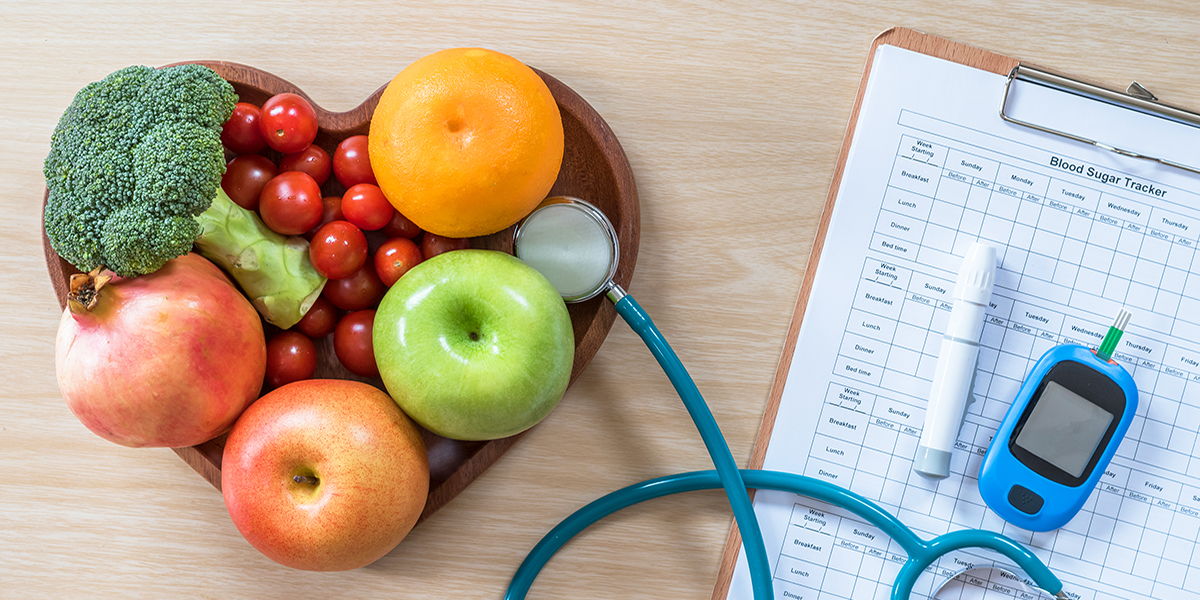
You are at risk of developing type 2 diabetes if you:
- Have prediabetes.
- are overweight.
- Are 45 years or older.
- Have a parent or sibling with type 2 diabetes.
- Is physically active less than 3 times a week.
- Ever had diabetes while you were pregnant (gestational diabetes) or gave birth to a baby who weighed more than 9 pounds.
- Are African American, Hispanic/Latino, Native American, or Alaska Native (some Pacific Islanders and Asian Americans are also at higher risk).
Visit Disability and Health Data System to learn more about diabetes among people with disabilities in your state and nationally.
What people with disabilities can do
There are different ways that people with disabilities can get support to test for, diagnose or manage type 2 diabetes.
How CDC supports people with disabilities and diabetes
Projects
CDC supported a project at the University of South Carolina that resulted in a publication, Disparities in Diabetes Care Among Medicaid Beneficiaries with Intellectual and Developmental Disabilities (IDD): Evidence from Five US States. The goal of the project was to better understand the quality of diabetes care received by adults with IDD. The project provided information on diabetes care needs among people with IDD insured by Medicaid in Iowa, Massachusetts, New York, Oregon, and South Carolina. It also served as the first study to look at the quality of care for diabetes in the Medicaid population with IDD across multiple states.
Public health programs
Avoid T2 for everyone
CDC funds National Centers for Disabilityincluding the Special Olympics and the National Center on Health, Physical Activity, and Disability (NCHPAD), which works to reduce health disparities between people with and without disabilities through inclusive health activities. NCHPAD adapted CDCs PreventT2 curriculum to make Avoid T2 for everyone. The goal of Avoid T2 for everyone is to improve access to lifestyle modification programs for people with disabilities. Over a 12-month period, adults diagnosed with prediabetes learn how to achieve modest weight loss, increase physical activity and make other lifestyle changes to prevent or delay type 2 diabetes. NCHPAD also provides training in creating and sustaining an inclusive diabetes prevention program and disease self-management education and support program to its partners.
Several of CDC funded The state’s disability and health programssuch as Florida, Minnesota, New York and Montana, have also partnered with NCHPAD to offer Prevent T2 for All training. Other funded states, such as Michigan and Kentucky, have redeveloped resources diabetes including curriculum recommendations and handouts on A1c readings and blood sugar tests to make information accessible to people with disabilities.
Educational video about your diabetes
The CDC funded the University of South Carolina to develop a video featuring self-advocates who have IDD and includes nine tips to help viewers manage their diabetes. A collaboration was formed across 10 state disability and health programs (Arkansas, Iowa, Kansas, Massachusetts, Michigan, Montana, New Hampshire, New York, Oregon, and South Carolina) to create Take charge of your diabetes educational video.