Cancer is most treatable when detected early, yet many people overlook subtle warning signs. Recognizing these early symptoms can make a critical difference in diagnosis, treatment success, and survival rates.
Unexplained Weight Loss and Persistent Fatigue
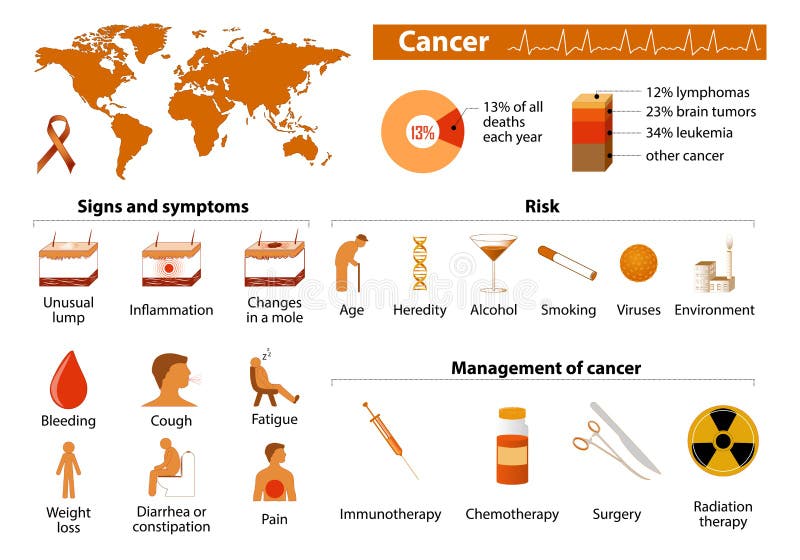
One of the most common early signs of cancer is unexplained weight loss. Losing weight without any changes in diet or exercise routine may indicate underlying health issues, including cancers of the pancreas, stomach, or lungs.
Similarly, persistent fatigue that does not improve with rest can be a warning signal. This is especially common in blood-related cancers such as leukemia.
Changes in the Skin
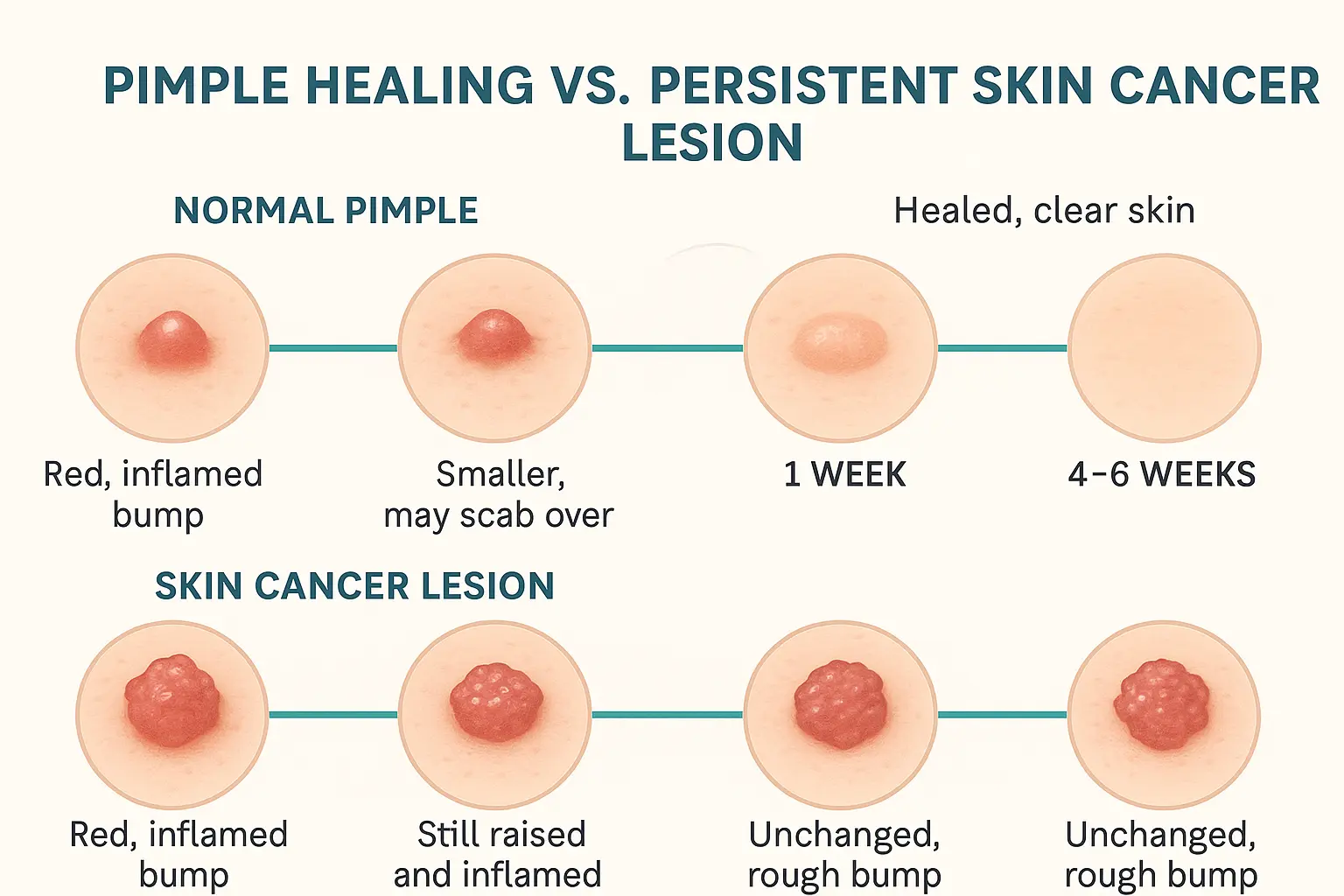
Changes in the skin should always be taken seriously. This includes new moles, changes in existing moles, or unusual skin discoloration. Skin cancer, including melanoma, often presents itself through visible skin changes that evolve over time.
Prolonged Pain, Chronic Cough, or Hoarseness
Another symptom to watch for is prolonged pain. While pain can have many causes, persistent or unexplained pain may indicate bone cancer or tumors affecting internal organs.
Likewise, chronic coughing or hoarseness lasting more than a few weeks may be linked to lung or throat cancer.

Digestive Issues and Unusual Bleeding
Digestive issues can also be early warning signs. Difficulty swallowing, ongoing indigestion, or changes in bowel habits may signal cancers of the digestive tract.
Blood in stool or urine is another red flag that should never be ignored.
Lumps or Thickened Areas
Lumps or thickened areas in the body, particularly in the breast, testicles, or lymph nodes, can indicate tumor growth. Regular self-examinations can help detect these changes early.

When to Seek Medical Help
While these symptoms do not always mean cancer, they should prompt medical consultation if they persist. Early detection through screenings and awareness significantly improves treatment outcomes.
Prevention and Proactive Steps
Maintaining a healthy lifestyle, including a balanced diet, regular exercise, and avoiding tobacco, can reduce cancer risk. Regular medical checkups and screenings are also essential, especially for individuals with a family history of cancer.
Understanding your body and paying attention to unusual changes can save your life. When in doubt, it’s always better to seek medical advice early rather than delay.
Disclaimer: This article is for informational purposes only and is not a substitute for professional medical advice. Always consult a healthcare provider if you notice any concerning symptoms.