
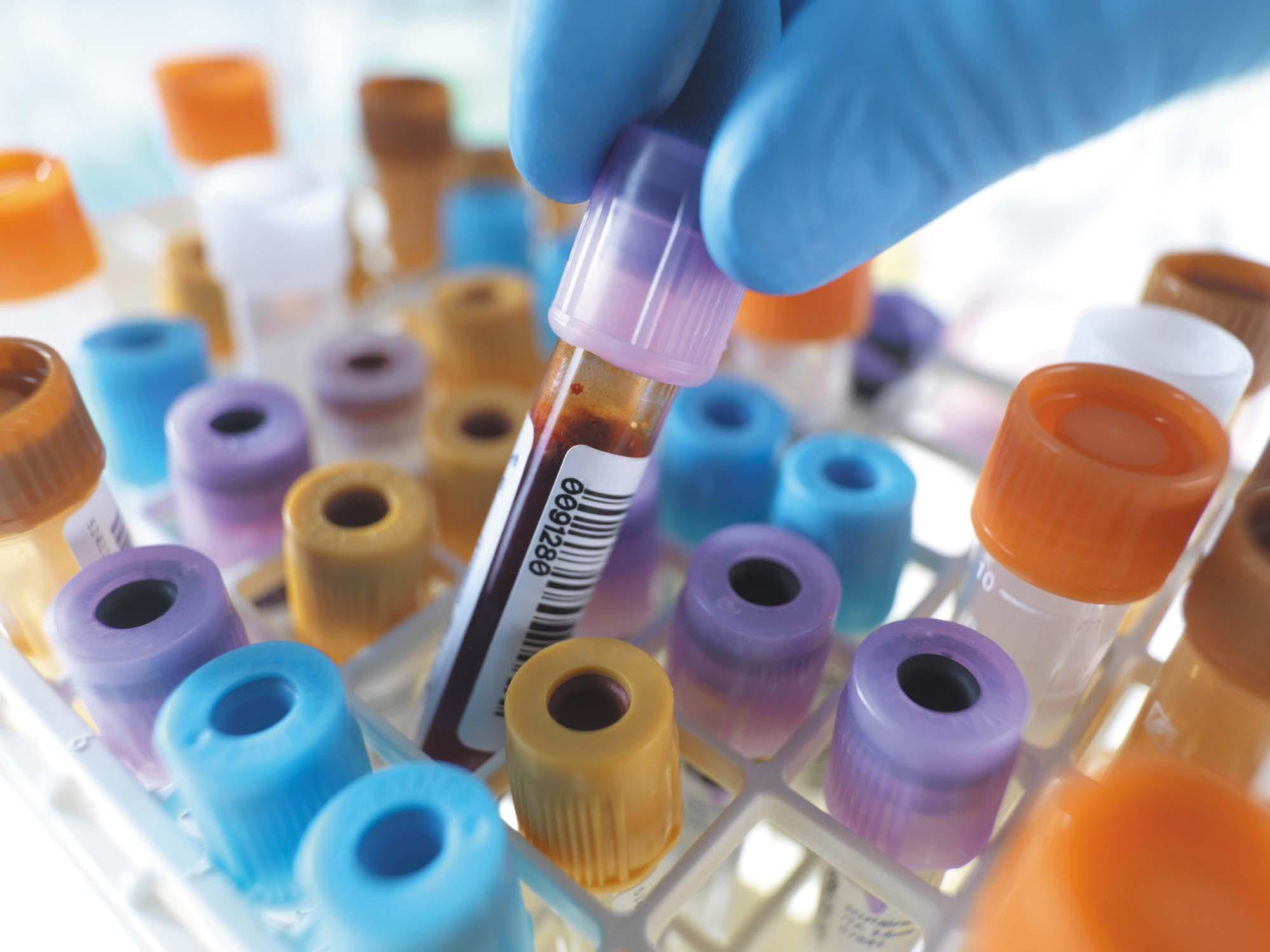
Don’t be surprised if your doctor has a few changes in store for your routine blood work. Some tests may be added to or subtracted from your lab order this year, or your doctor may talk about interpreting the results a little differently. Here are several tests you can discuss with your doctor.
A vitamin D test
Vitamin D is important for many aspects of health, including calcium absorption, healthy bones, inflammation reduction and immune function. Doctors debate how much D we need, and most guidelines say we don’t have enough evidence to support routine screening in healthy people. Even so, many doctors still regularly order the tests.
The test measures a type of vitamin D called 25-hydroxyvitamin-D. Until recently, levels considered healthy or “adequate” varied widely, ranging from 12.5 nanograms per milliliters (ng/mL) to 60 ng/mL. Several guidelines recommend levels above 20 or 30 ng/ml.
What’s new: The Endocrine Society, one of the main organizations governing vitamin D practice, published new vitamin D guidelines in the August 2024 issue of Journal of Clinical Endocrinology and Metabolism.
In a major shift, the guidelines removed the terms vitamin D “sufficiency” and “deficiency” and strongly recommended against routine vitamin D testing. The exception is for people with specific conditions such as chronic kidney disease or difficulty absorbing vitamin D (such as Crohn’s disease). The recommendations are based on a lack of evidence for the benefits of routine testing.
The Endocrine Society guidelines also state that most healthy adults do not need vitamin D supplements. Exceptions include pregnant women, people with prediabetes, and people age 75 or older. These groups may benefit from low-dose vitamin D supplementation (about 1,000 IU per day), but should also try to get the vitamin through fortified foods or accidental sun exposure.
What you should do: Talk to your doctor about the new guidelines. If you have a condition that causes vitamin D deficiency, fall into one of the above groups, or take medication that can lower vitamin D levels, you may need periodic screenings.
“Otherwise, it’s unlikely you’ll need to be routinely tested or take a supplement. Most of us get enough D from foods like fish, fortified dairy products and fortified grains. And the body can make vitamin D in the skin from just 10 to 15 minutes of sun exposure a few times a week,” says Dr. Harvard-affiliated Brigham and Women’s Hospital. “If you’re concerned that you’re not getting enough vitamin D, it’s safe to take a supplement with 1,000 to 2,000 IU daily. But our large randomized trials of vitamin D suggest that most people already get the vitamin D they need, and supplements have limited benefits.”
Blood tests to detect heart disease
You’re probably familiar with a routine cholesterol test that measures various fats in your blood (such as “bad” LDL cholesterol) that can increase your risk of heart disease and stroke. This year, your doctor may also order two additional blood tests.
Lipoprotein(a) or Lp(a) is measured. If Lp(a) levels are very high, your risk of heart attack, stroke, and some heart valve problems may increase, even if standard cholesterol levels are normal. High Lp(a) is hereditary, which means you only need to have it measured once, as currently recommended by the National Lipid Association. The test is covered by insurance, but few people get it, mainly because we haven’t had treatments to lower Lp(a) until recently.
The second test measures C-reactive protein (CRP), a substance the liver makes when there is inflammation in the body. The results of the test, called a high-sensitivity C-reactive protein (hsCRP) test, can indicate inflammation levels as well as the risk of heart attack or stroke. The test is usually covered by Medicare. It is not always routinely ordered, but it is approved by the American Heart Association to help predict heart attack risk.
What’s new: A Harvard study published August 31, 2024, i New England Journal of Medicine suggested that LDL, hsCRP and Lp(a) tests (considered together) could predict stroke and heart problems decades in advance.
The research involved around 28,000 women (average age 54), followed for up to 30 years, whose levels of LDL, CRP and Lp(a) were measured at the start of the study. All three biomarkers were associated with risk of heart attack and stroke, especially CRP. Risks increased even more for people who had high levels on two or even three of the different tests.
What you should do: “Everyone, regardless of gender, should have all three measured together, preferably in your 30s or 40s, as prevention needs to start early,” says Dr. Paul Ridker, the study’s lead author and director of the Center for Cardiovascular Disease Prevention at Harvard-affiliated Brigham and Women’s Hospital.
If your doctor has not yet ordered these tests for you, ask about them. “Since some of this information is new to primary care physicians, many patients bring the research paper to their office visits,” says Dr. Ridker. In addition to lifestyle changes, your doctor may recommend specific treatments based on your test results.
A complete blood count (CBC)
A CBC looks at components of blood that indicate whether you have various conditions, such as anemia, infection, and blood cancer.
The routine test measures the amount and characteristics of red blood cells, five types of white blood cells, platelets and hemoglobin (a protein in red blood cells that carries oxygen), and calculates such values as hematocrit (the percentage of blood made of red blood cells).
Results for each measurement are compared to a standardized “normal” range. For example, a red blood cell count of between 4.0 and 5.4 million cells per microliters (mcL) as normal for women, and 4.5 to 6.1 million/mcL is normal for men. Areas may vary slightly from laboratory to laboratory. A result outside the normal range is considered abnormal.
What’s new: A Harvard study published online December 11, 2024 by Nature suggests that it may be more useful to compare your latest CBC results with your previous numbers rather than standard reference points.
Researchers evaluated the CBCs of more than 12,000 healthy people who had five tests over 20 years. Participants’ results did not change much regardless of where the numbers fell within the normal range. Each person had a unique combination of “set points”.
Researchers say changes in these set points could help doctors catch health problems earlier, which is important for conditions like diabetes or heart disease. “The normal ranges are too wide and should be narrowed for each person. That range may be lower for some people and higher for others,” says Dr. John Higgins, the study’s senior author and pathologist at Harvard-affiliated Massachusetts General Hospital.
Another finding from the study: Participants whose set points fell at the lower or upper end of a measurement’s normal range had higher rates of disease diagnosis and death within 10 years compared to people whose set points remained in the middle of the normal range.
What you should do: Keep an eye on your CBC results, learn what’s normal for you, and talk to your doctor if you see any changes. Bring this article along if you feel it will help. “Setpoints give you a personal benchmark to detect small deviations from your steady state and help us interpret other diagnostic test results for a more accurate picture of health,” says Dr. Higgins.
Image: © Tek Image/Getty Images