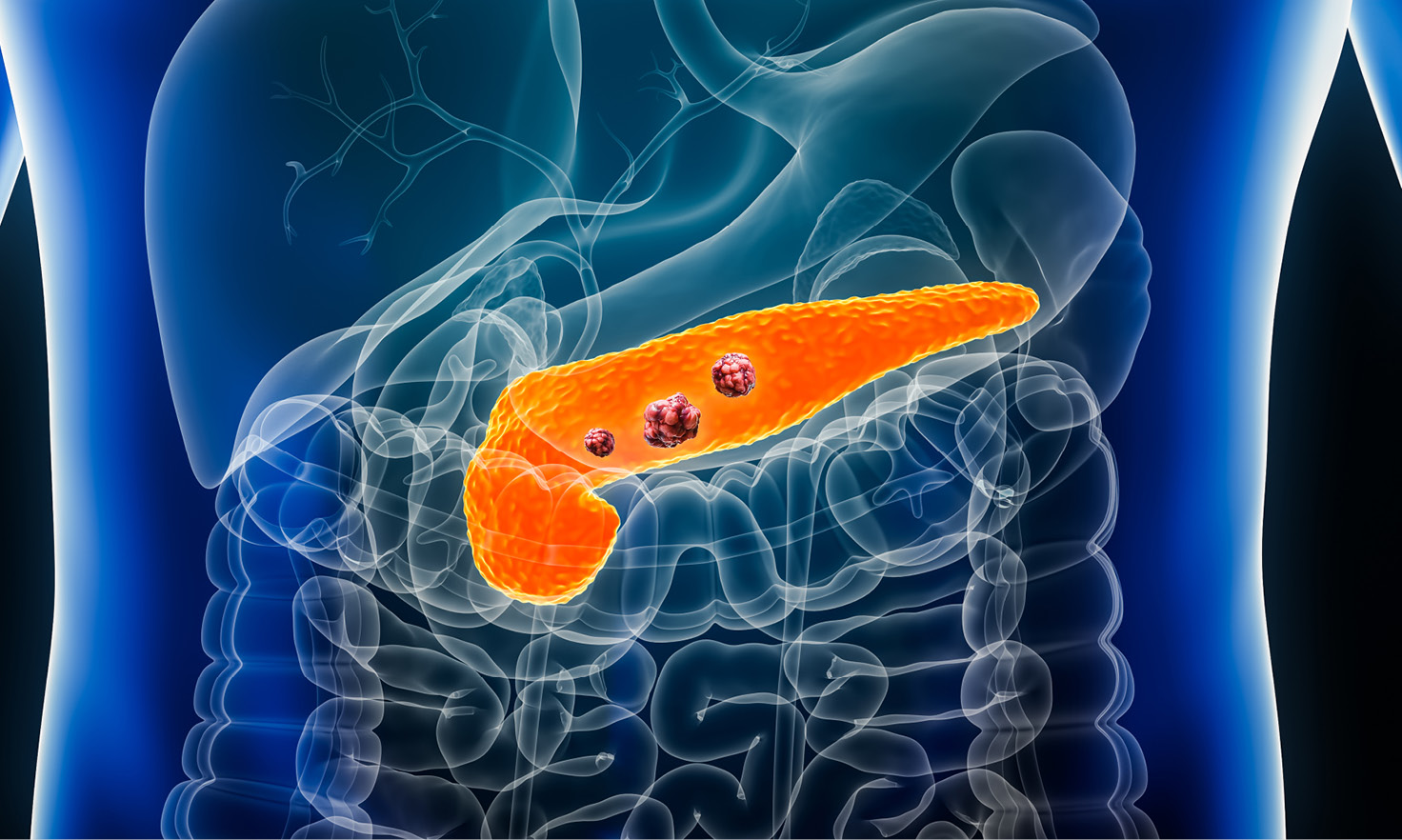
The pancreas is a gland behind your stomach and in front of your spine. It produces enzymes that help break down food and hormones that control blood sugar levels.
Pancreatic cancer usually begins in these cells. It forms when cells grow out of control and create a tumor. Tumors can be malignant (cancerous) or benign (non-cancerous).
Two types of pancreatic cancer
About 95% of pancreatic cancer begins in the cells that produce digestive enzymes. This is known as exocrine pancreatic cancer.
Only about 5% of pancreatic cancers begin in the cells that produce hormones. These are known as endocrine pancreatic cancers. Tumors that form in these cells are called pancreatic neuroendocrine tumors (NET). Pancreatic NETs have a better prognosis (outcome or course of a disease).
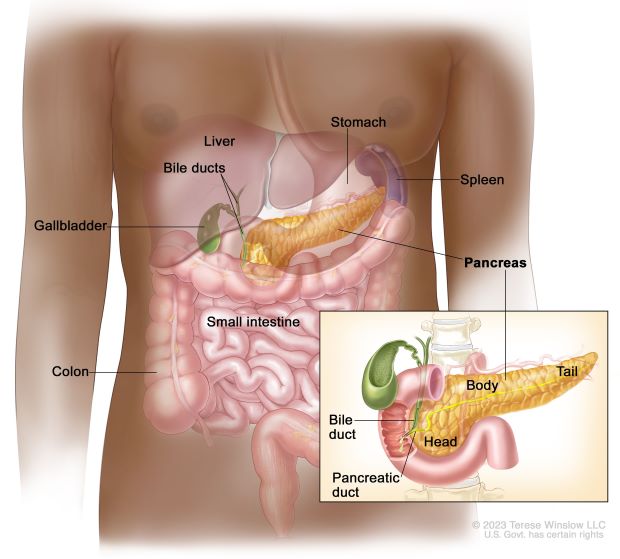
Source: National Cancer Institute
Who is at risk?
There are many risk factors for pancreatic cancer, including:
What are the signs and symptoms?
Pancreatic cancer is difficult to detect early because it may not cause any signs or symptoms. As the cancer grows, possible symptoms include:
- Jaundice (yellowing of the skin and the whites of the eyes)
- Light stools
- Dark urine
- Pain in the upper or middle abdomen and back
- Weight loss for no known reason
- Loss of appetite
- Fatigue
Pancreatic NETs may have various signs and symptoms. They can also cause the body to make too much of the hormone cortisol, leading to Cushing’s syndrome.
These symptoms can also be caused by other conditions, so it’s important to discuss any concerns with your doctor.
How is it diagnosed?
Your doctor will likely do a physical exam and ask you about your symptoms and family health history.
Diagnosis is usually done with imaging and other tests to see the pancreas and the area around it. Examples of these tests include ultrasound, MRIs, CT scansand take blood, urine and tissue samples. This helps a doctor determine if it is cancer and, if so, the stage of the cancer (how the tumor has grown or spread).
Many people get a second opinion to help with diagnosis and talk about treatment options. National Cancer Institute (NCI) Cancer Information Service can help you find a doctor or hospital or get a second opinion.

A doctor can diagnose pancreatic cancer with imaging and other tests. Many patients will get a second opinion to confirm a diagnosis and discuss treatment options.
How is it treated?
Treatment for pancreatic cancer is determined by the stage of the cancer and may include surgery, chemotherapy, radiation therapy, chemoradiation therapy, or targeted therapy. You and your care team can also plan how to manage side effects from the treatments and any cancer-related pain.
Researchers around the world are studying new ways to identify pancreatic cancer earlier and improve treatments with support from the NCI. Their work includes clinical trials to test these methods and palliative care techniques to improve patients’ quality of life.
To get support
If you or a loved one is diagnosed with pancreatic cancer, there are many resources available to help. NCI can afford to manage the treatment and its side effects, find emotional support and deal with daily life. Learn more about handling cancer at the institute website.