Steps to take
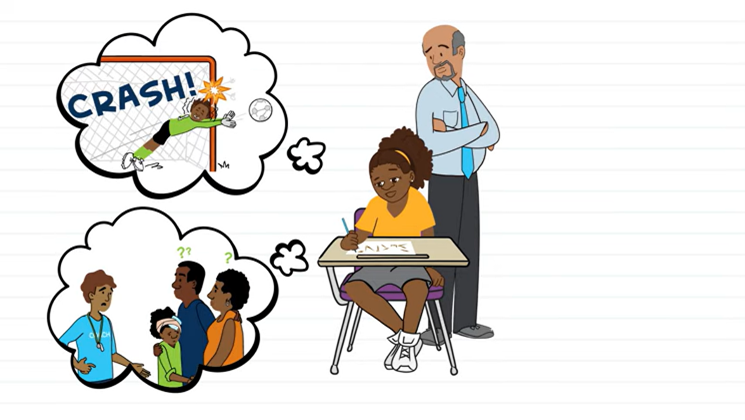
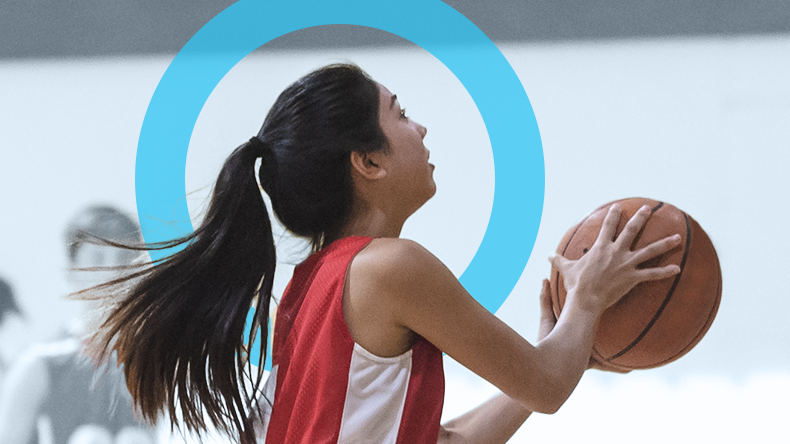
If an athlete has any signs or symptoms of a concussion after a bump, blow, or bump to the head or a blow to the body, you should:1
- Remove them from sports participation immediately.
- Check them out danger signs of concussion. An athlete experiencing danger of concussion must immediately go to the emergency room.
- Keep them out of sports on the day of the injury and until cleared by a health care provider.
Do not attempt to judge the severity of a concussion yourself. Only a healthcare provider should evaluate an athlete for a possible concussion. After an athlete with a possible concussion is removed from sports participation, the decision to return to sports is a medical decision that should be made by a healthcare provider.
Returning to sports too early
Athletes who return to sports too soon — while their brains are still healing — have a greater chance of sustaining a repeat concussion.1 Repeated concussions can be very serious. They can cause permanent changes in the brain that affect your child for a lifetime.
When to seek medical attention
An athlete with a possible concussion must be seen by a health nurse. A health care provider can tell them if they have a concussion. Most athletes who have a concussion are seen by their regular doctor or in an emergency room and must go home to recover. An athlete may need to stay in the hospital overnight if they have one moderate or severe brain damage.
What to tell the healthcare provider
Be sure to tell the athlete’s health care provider if they are taking any medications—prescription, over-the-counter, or herbal. Share the following information whenever possible:
- The cause of the injury and the force of the blow or blow to the head or body
- Possible loss of consciousness (passed out/passed out) and, if so, for how long
- Any memory loss right after the injury
- Any seizures right after the injury
- Number of previous concussions (if any)
What can you expect
Test for concussion and brain damage
Health care providers check an athlete for a concussion by doing a physical exam and asking about their concussion symptoms. Your child may also need tests to help assess learning and memory skills, the ability to pay attention or concentrate, and how quickly they can think and solve problems. These tests can help the athlete’s health care provider identify the effects of the concussion. Most athletes do not need to have a scan of their brain (CT or MRI) after a concussion.2
After their check
If your athlete is diagnosed with a concussion, their doctor should:
Your healthcare provider should also talk to you about returns to school and that return to sports process. Returning to sports is a multi-step process that may take a week or more to complete.1
Returning to the sports process can happen at the same time as returning to school.13 However, an athlete should be back to all regular non-sport activities (without accommodation or support) before completing the return to sport protocol.13
Check how your child is doing
An athlete may feel frustrated, sad and even angry because they cannot participate in usual activities such as extracurricular activities or sports.4 They may also feel isolated from their friends and community. These feelings are common after a concussion. Give them time to talk to and stay connected with friends. Listen and talk to them about these issues and offer your support and encouragement. Having support from family and friends can help with recovery.2
Make a follow-up appointment with their healthcare provider
Be sure to schedule a follow-up appointment with their regular health care provider so they can check in on the athlete’s recovery. You may consider using telemedicine and telehealth services if an athlete is unable to visit a healthcare provider in person. Through telemedicine or telehealth services, an athlete can be checked for concussion symptoms and get recovery tips without having to travel to a doctor’s office or hospital. Athletes who experience persistent concussions for more than 2 to 4 weeks should see a specialist experienced in treating brain injuries.3
See it What to do after a concussion website for more information.