
Learn simple ways to keep your energy stable during Ramadan. Balance your Iftar and Sehri meals to help you feel better and stay focused.
Ramadan is a special month for fasting, prayer and reflection. By making small changes to our eating habits during Ramadan and eating a healthy diet during iftar (the fast-breaking meal) and sehri (the pre-dawn meal), we can reap health benefits such as better digestion, metabolism and detoxification. It is important to avoid unhealthy eating habits, such as binge eating during iftar and sehri, to get the most of these benefits. To keep your energy stable during Ramadan, avoid eating too little at sehri and too much at iftar. The goal is to balance blood sugar levels and stay hydrated by eating nutrient-dense, slow-digesting foods.
“As a dietitian, the most common complaint I get during Ramzan is not hunger, but an overwhelming energy crash. By mid-afternoon they are foggy and irritable. At night, when they go to sleep, they are so heavy, so bloated and totally exhausted,” Dr Tehseen SiddiquiHead Dietitian, Saifee Hospital, Mumbai, tells Health Shots.
Eating too little at Sehri or eating too much at Iftar: what affects your energy?
If you eat too little at Sehri, this is certainly preparation for a tough day. You’re literally running your body on empty when you skip Sehri or take a quick bite of toast. Your sugar level slowly drops in the morning. By early afternoon, the body’s glycogen reservoirs, which store glucose, begin to deplete. Since the brain is very sensitive to glucose, brain fog, irritability, headaches and sluggishness start to creep in.
However, this decline is not very sharp, but fairly stable. The body gradually adapts to its energy needs by using fat as its primary energy source. You may be too exhausted, but the drop is foreseeable and easy to handle if your last night’s meal was balanced.
What are the digestive problems during Ramadan?
Indulging in Iftar in turn causes a roller coaster of metabolic turmoil. You have fasted all dayand your blood sugar levels are low, while your digestive system is relatively active. Once you load it up with fried foods, refined carbs, and sugary sweets, your blood sugar levels will skyrocket. Your body responds by releasing a large amount of insulin to lower these levels. It is the rapid rise and fall that causes the infamous post-iftar food coma.

The result? You notice that you spend too much time on the couch, too slow to think about evening prayers or spend time with family. Much of your blood is redirected to your digestive system to process the fatty meal, leaving the rest of your body feeling tired and bloated.
How do you avoid eating too much during iftar?
The real problem is that eating too much at Iftar not only makes the evening better, but also the next day. Meals after midnight are detrimental to sleep quality because your body works overtime to digest them. You feel tired and uneasy, which makes you less likely to drink something or eat enough during Sehri. The result is excessive hunger the next day and overeating again at Iftar. It’s a cruel and self-deprecating pattern of energy peaks and troughs.
How do I improve my energy levels during the day?
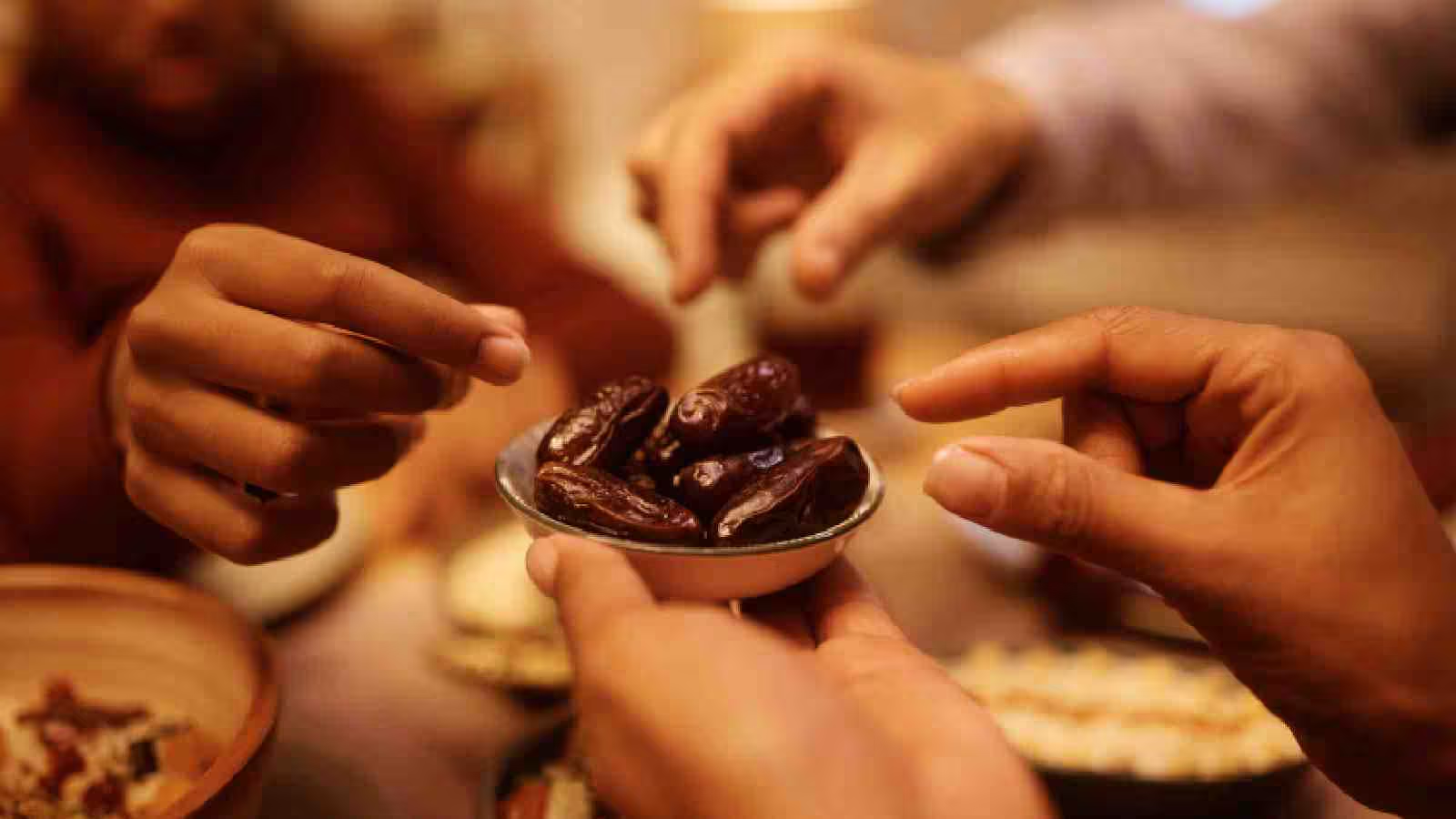
If the goal is constant energy all day and night, the answer is to get off this roller coaster. And during soft phases, eat your fast with a date and water. Take a 10-15 minute break, pray and get your digestive system functioning again. And then put together a balanced meal: half vegetables, a quarter protein and a quarter complex carbohydrates. This mix slows down digestion, prevents insulin spikes and helps maintain energy levels.
Which foods give you energy for Ramadan?
During Sehri you may not be hungry but you should eat food that provides energy that is released slowly. To achieve more stable blood sugar levels, the best choices are oatmeal, eggs, Greek yogurt, nuts and seeds, and healthy fats. Combine carbohydrates with protein to slow digestion and keep you feeling full.
You might also like it


Ramzan is not meant to feel like an energy battlefield. With conscious meal timing and balanced portions, you can avoid dramatic crashes and experience steadier focus, better sleep, and more meaningful spiritual engagement throughout the month.