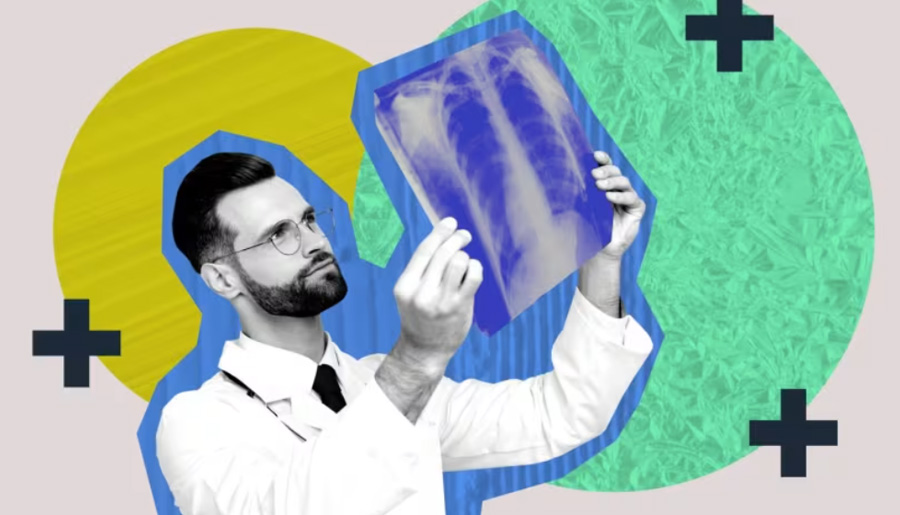
Cancer treatment has evolved significantly over the past few decades, offering new hope to patients worldwide. Advances in technology and research have led to more effective and personalized treatment options.

Targeted Therapy: Precision Attacks on Cancer Cells
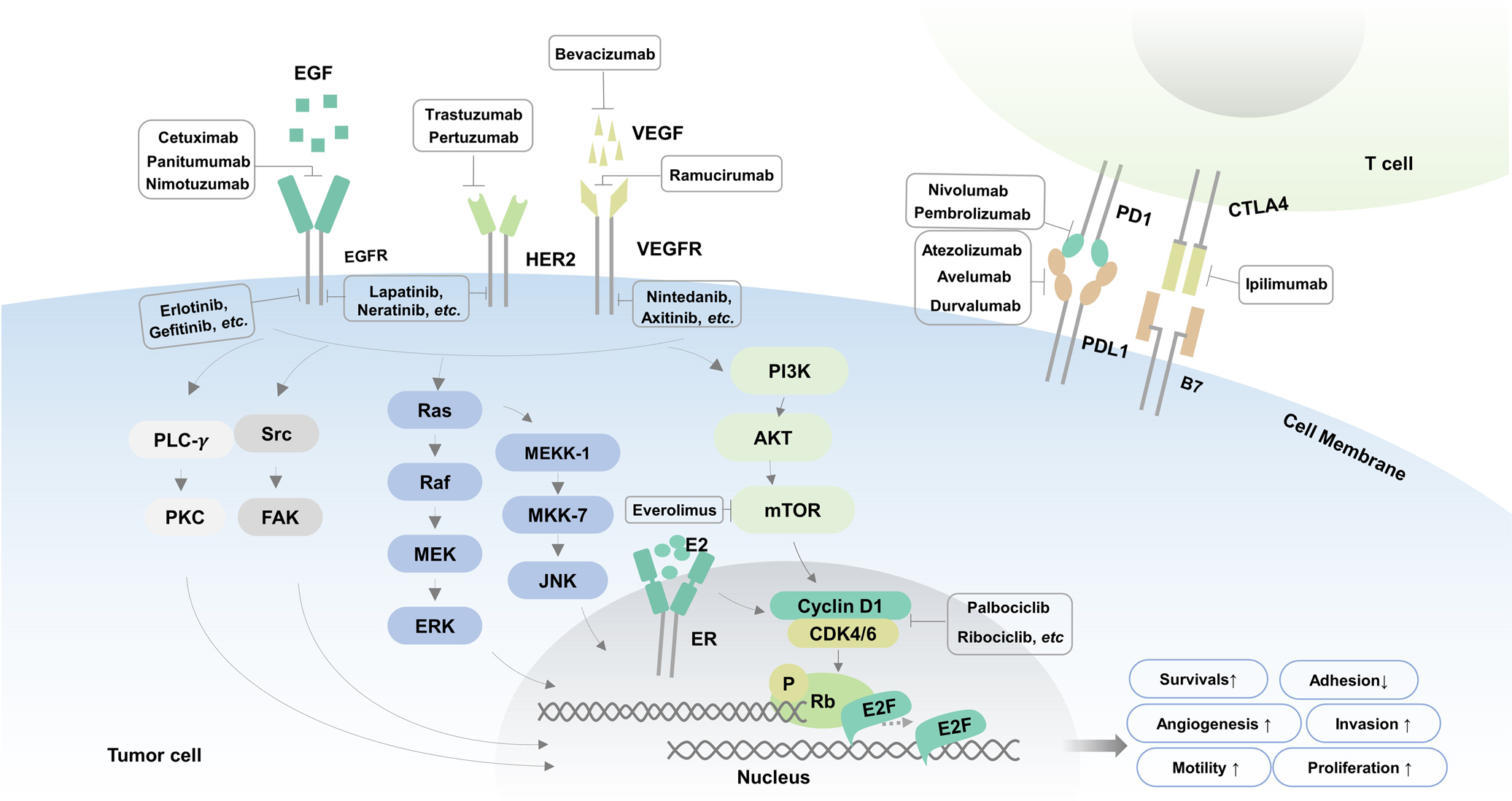
One of the most important developments is targeted therapy. Unlike traditional chemotherapy, which affects both healthy and cancerous cells, targeted therapy focuses on specific molecules involved in cancer growth. This approach reduces side effects and improves treatment precision.
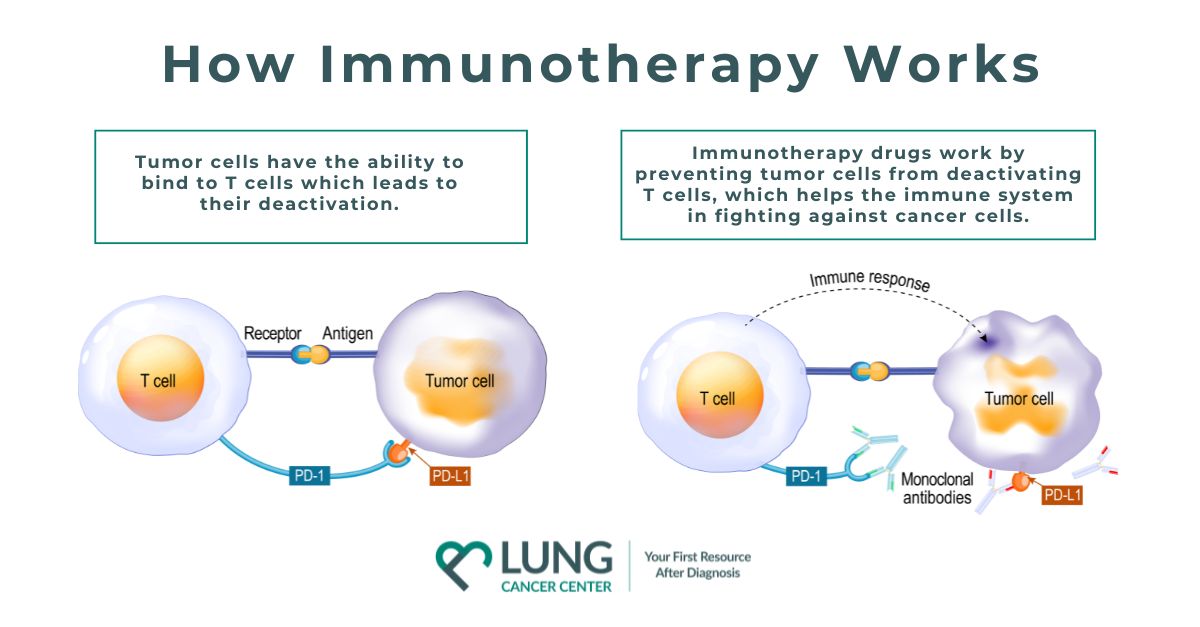
Immunotherapy: Harnessing the Body’s Immune System
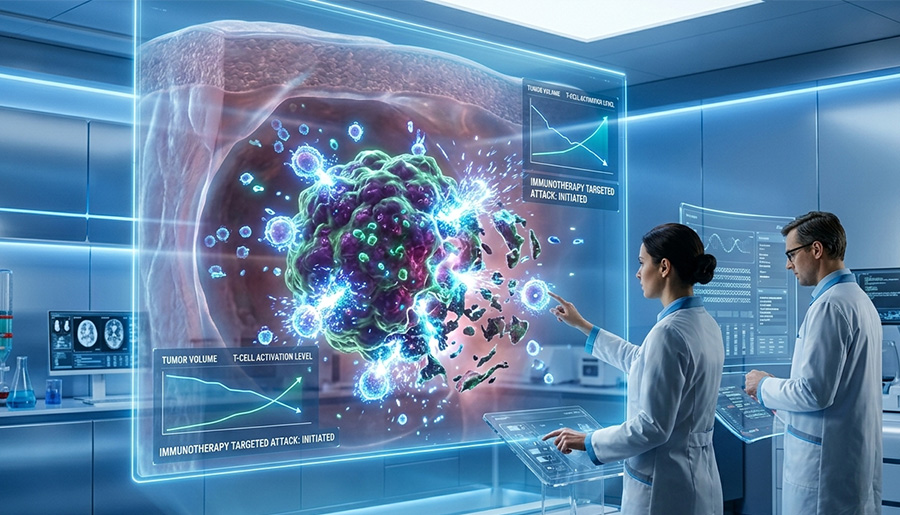
Immunotherapy is another groundbreaking advancement. It works by stimulating the body’s immune system to recognize and attack cancer cells. This type of treatment has shown remarkable success in certain cancers, including melanoma and lung cancer.

Advanced Radiation Therapy: More Precise and Safer
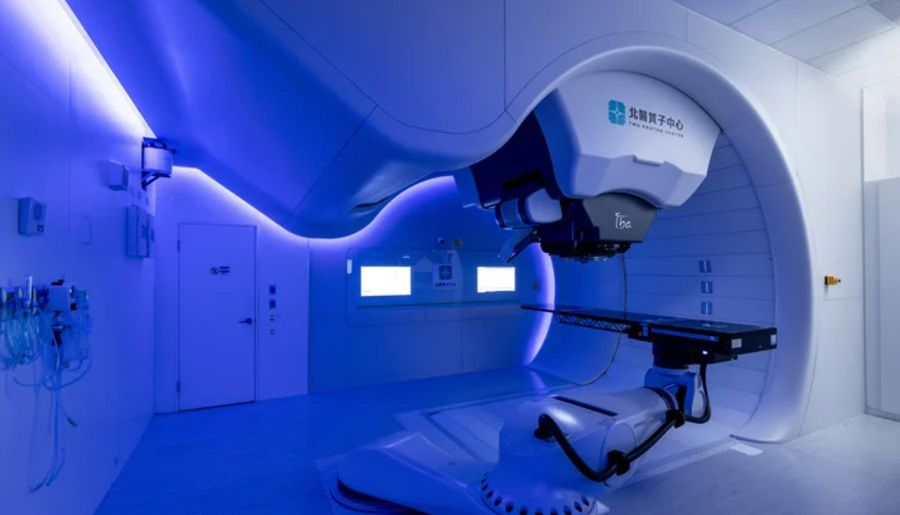
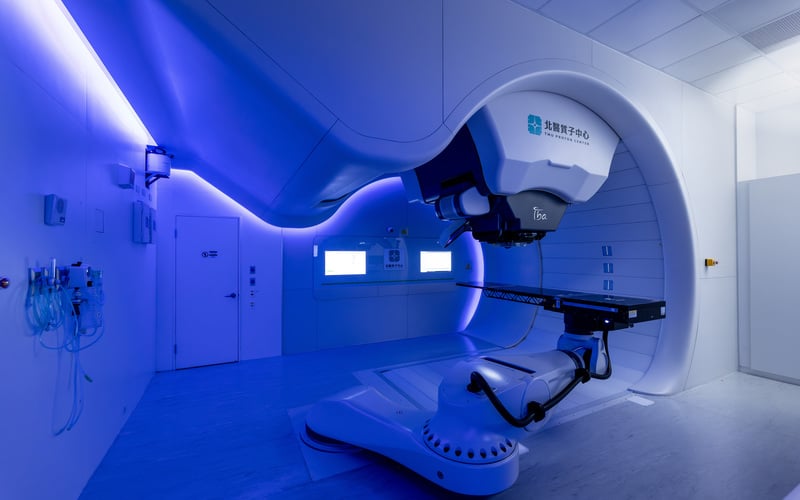
Radiation therapy has also improved with advanced imaging and delivery techniques. Modern radiation treatments are more precise, minimizing damage to surrounding healthy tissues while effectively targeting tumors.
Minimally Invasive Surgical Techniques
Surgical techniques have become less invasive, thanks to robotic and laparoscopic procedures. These methods reduce recovery time, lower complication risks, and improve patient outcomes.

Personalized Medicine: Tailored to Your Genetics
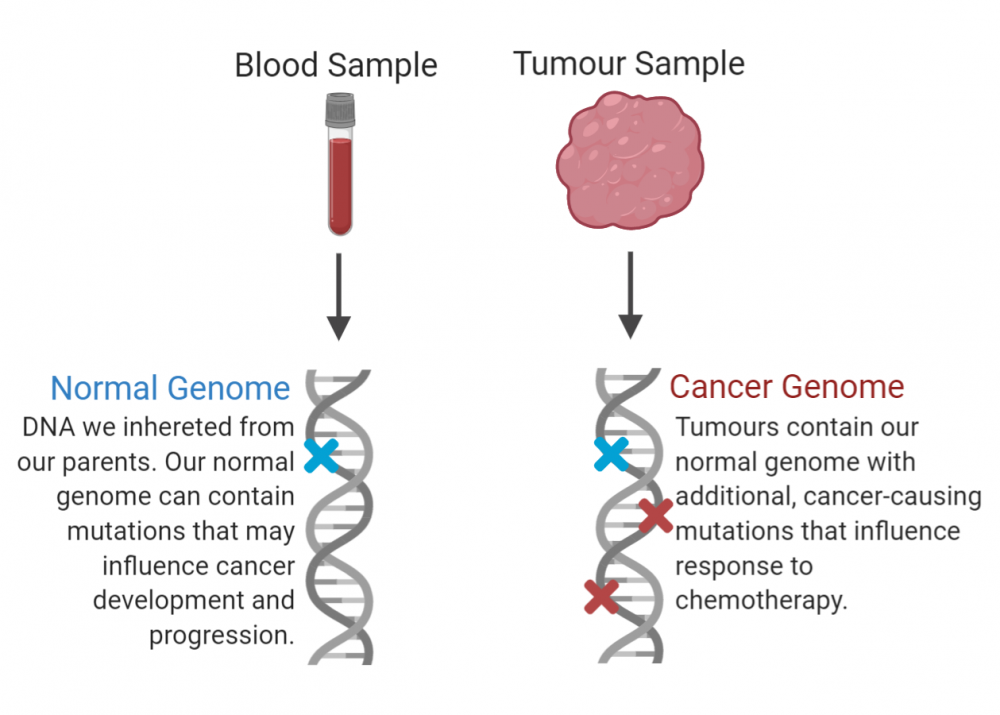
Personalized medicine is transforming cancer care by tailoring treatments based on a patient’s genetic profile. This approach ensures that therapies are more effective and better suited to individual needs.
The Role of Clinical Trials
Clinical trials continue to play a vital role in advancing cancer treatment. Patients participating in trials may gain access to new therapies before they become widely available.
The Foundation: Early Detection and Informed Choices
Despite these advancements, early detection remains crucial. Combining innovative treatments with early diagnosis significantly improves survival rates.
Patients are encouraged to discuss all available treatment options with their healthcare providers and seek second opinions when necessary. Staying informed empowers patients to make better decisions about their care.
Disclaimer: This article is for informational purposes only and is not a substitute for professional medical advice. Always consult your oncologist or healthcare team for personalized treatment recommendations.