
Menopause and joint pain: What causes it and how does it affect you? Learn 5 effective ways to feel better during this time.
For many women, menopause arrives with changes such as hot flashes, mood swings and sleep issues that they may have been prepared. What may, however, come as a surprise, is persistent joint pain. Knees hurting while climbing stairs, stiffness in the fingers in the morning, or a dull ache in the lower back are complaints orthopaedic clinics hear almost daily from women in their late 40s and 50s. Joint pain during menopause is real, common, and often misunderstood.
What to know about about joint pain during menopause
Dr Akhilesh Rathi, Joint Replacement, Robotics and Orthopaedics Surgeon, shares five important things every woman should know:
-
Falling estrogen directly affects joints
Estrogen is not just a reproductive hormone; it protects bones, joints, and cartilage. During menopause, estrogen levels drop sharply. When estrogen levels decrease, joint inflammation increases. Understanding the connection between hormones, lifestyle, and joint health is the first step toward relief.
2. Morning stiffness is a warning sign, not normal
Occasional stiffness is fine, but daily stiffness lasting 20–30 minutes or more needs attention. This could indicate early arthritis or joint degeneration triggered by a hormonal imbalance. Early diagnosis at this stage can prevent long-term damage.
3. Weight gain adds pressure on joints
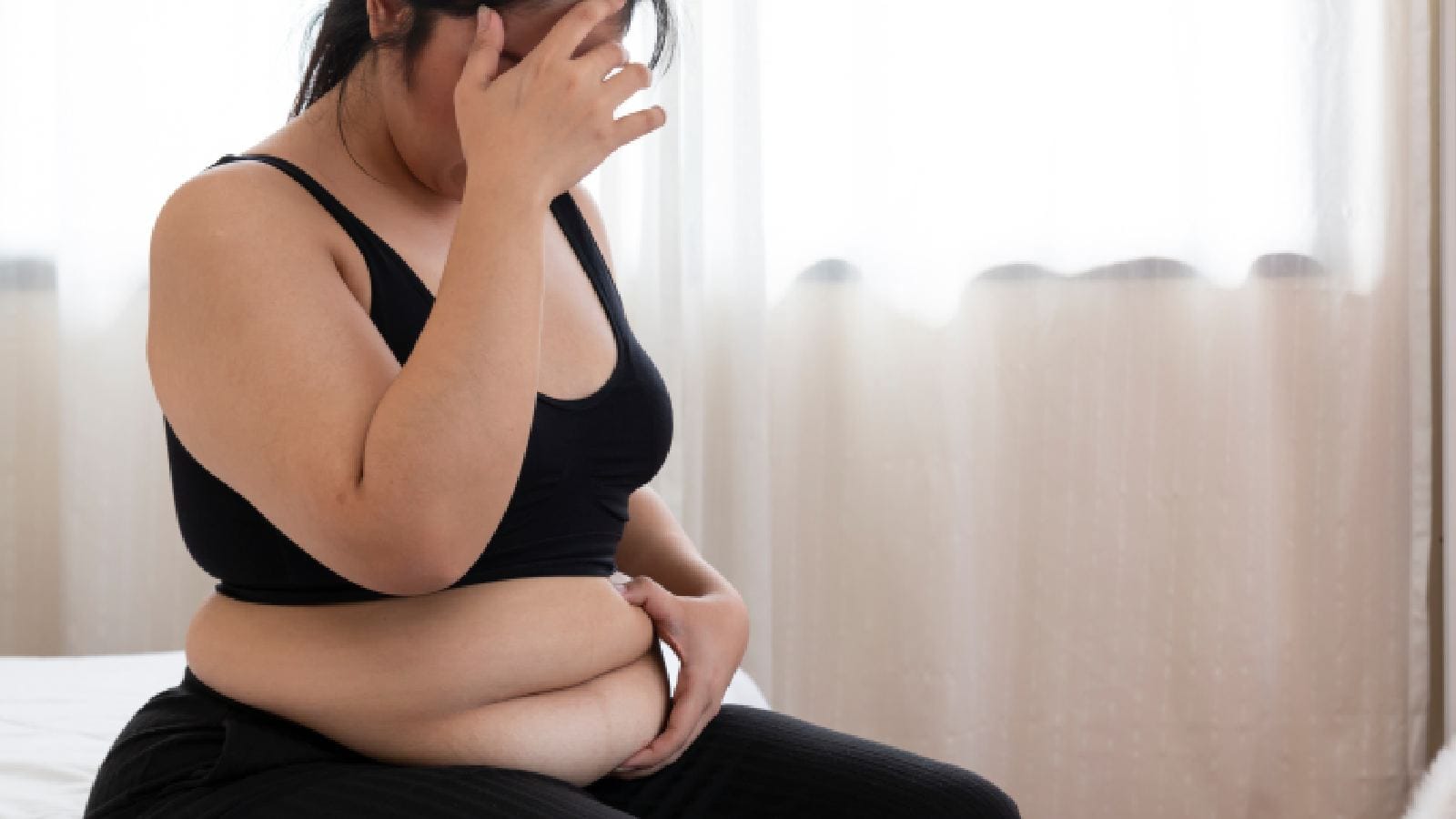
Menopause often slows down metabolism, leading to gradual weight gain, especially around the abdomen. “I often tell my patients that even a 5-kilo weight gain can increase knee pain,” says Dr Rathi. Managing weight through a balanced diet and light exercise can reduce joint pressure and pain.
4. Lack of movement makes pain worse
Joint pain often makes women avoid movement, but this actually worsens the problem. Joints are designed to move. Simple activities like walking, stretching, yoga, or low-impact exercises help improve blood flow, strengthen muscles, and reduce pain. Consistency matters more than intensity.
5. Not all joint pain needs painkillers
Many women rely on painkillers for quick relief, but long-term use can hide the real issue. Painkillers treat symptoms, not the cause,” says Dr Rathi. Proper evaluation helps identify whether the pain is due to hormonal changes, early arthritis, vitamin D deficiency, or posture-related stress.