

Treatment
Vaginal candidiasis (yeast infections)
Treatment is usually an antifungal cream applied inside the vagina or a single dose of fluconazole taken by mouth. Creams can be sold over the counter, but it is recommended to test before starting the treatment.
If symptoms return, do not improve, or worsen after starting treatment, healthcare professionals may adjust treatment by prescribing:
- Multiple doses of fluconazole taken by mouth.
- Other medications used inside the vagina, such as boric acid, nystatin or flucytosine.
Candidiasis in the mouth and throat (thrush)
Mild to moderate infections:
Treatment for most infections includes an antifungal oral gel applied inside the mouth for 7-14 days. Types of antifungal agents used include clotrimazole, miconazole or nystatin.
Serious infections:
Antifungal medication in pill form or through an IV. The most common type of antifungal is fluconazole.
Candidiasis in the esophagus
The antifungal medication fluconazole is almost always used to treat candidiasis of the esophagus. It can be taken as a pill or, in severe infections, through an IV. Other antifungal medications can be used if fluconazole does not work.
Invasive candidiasis
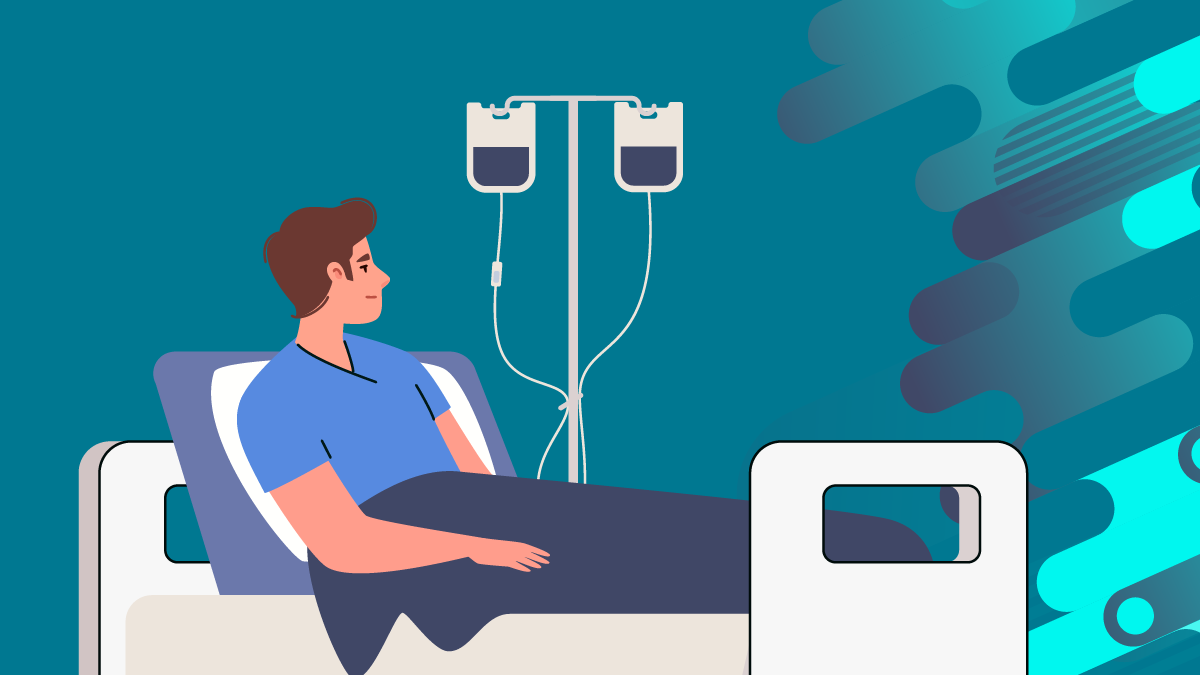
Invasive candidiasis is much more serious than other types of candidiasis, so it requires more intensive treatment. Invasive candidiasis typically occurs among people who are already ill. Health care providers determine the type of antifungal medication, dose, and length of treatment based on:
- Age of the patient
- Health conditions and immune status
- Location and severity of infection
The initial recommended antifungal treatment for most adults is an echinocandin (caspofungin, micafungin, or anidulafungin) given through the vein (intravenous or IV). Fluconazole, amphotericin B, and other antifungal medications may also be appropriate in certain situations.
Length of treatment
For the bloodstream Candida infections (candidemia), treatment should be continued for 2 weeks after signs and symptoms have disappeared and Candida yeast is no longer in the bloodstream.
Other forms of invasive candidiasis, such as infections of the bones, joints, heart or central nervous system, usually require longer treatment.